
Helping New Brunswickers breathe easier and sleep better — starting tonight

What’s Covered on This Page
- Sleep Disorder Counseling in Rothesay That Helps You Rest Again
- What Sleep Disorder Counseling Involves at Our Rothesay Clinic
- Signs You May Need Sleep Disorder Counseling in Rothesay
- How Counseling Approaches Are Matched to Each Client
- What to Expect During Your Sleep Counseling Visit in Rothesay
- Long-Term Sleep Health Strategies for Rothesay Residents
- What actually happens during a sleep disorder counseling session in Rothesay?
- How do I know if my sleep problem is serious enough to get counseling?
- Do people in Rothesay typically need medication to fix sleep problems?
- I’ve already tried melatonin and white noise apps — will counseling actually be different?
- How long does it take to see results from sleep disorder counseling?
- Is sleep disorder counseling a good fit for shift workers or people with irregular schedules in Rothesay?
Need • sleep disorder counseling?
Call now to set up your free sleep test. Call East Coast Sleep Clinic now.
Sleep Disorder Counseling in Rothesay That Helps You Rest Again
What Sleep Disorder Counseling Involves at Our Rothesay Clinic
Most people picture a sleep lab when they think about getting help. That’s not what this is. Our counseling sessions happen in a quiet, comfortable room where we sit down and actually talk through what’s going on with your sleep.
The first visit is all about listening. We ask about your nights, your days, your habits, your stress. We want to know when you wake up, how long you lie there, what your mind does at 2 a.m. We hear this a lot: “I didn’t think anyone would take this seriously.” We take it seriously every single time.
From there, we build a picture of what’s happening. Sometimes it’s insomnia driven by anxiety. Sometimes it’s a circadian rhythm that’s completely off track. Could be restless sleep tied to life changes, shift work, or something you haven’t connected to sleep at all. We look at the whole situation, not just the symptom.
Then we start working on it together. That might mean cognitive behavioral therapy for insomnia, which the American Academy of Sleep Medicine recommends as a first-line treatment. It might mean sleep restriction techniques, relaxation training, or reworking your entire wind-down routine. Every plan looks different because every person’s sleep problem is different.

We also track your progress using sleep diaries and regular check-ins. Not guesswork. Real patterns on paper. You’d be surprised how much a simple log reveals about what’s actually disrupting your rest.
Our Rothesay clinic sees people from right here in the Kennebecasis Park area and beyond. Some come in exhausted and skeptical. Totally fair. But once they see their own data and start making targeted changes, things shift. Often faster than they expected.
Most people don’t need medication. They need someone to help them understand why sleep broke down and how to fix the root cause. That’s exactly what our sessions are built to do. We walk you through each step so nothing feels overwhelming or confusing. You stay in control of the process. We just keep you pointed in the right direction.
Signs You May Need Sleep Disorder Counseling in Rothesay

You’re tired. Not just “long day” tired. The kind of tired that sits in your bones by 2 p.m. and never really leaves. We hear this a lot from people in Rothesay who’ve been pushing through for months, sometimes years, before they finally ask for help.
So what does a sleep problem actually look like day to day? It’s not always obvious. Sure, some people can’t fall asleep at all. They lie there staring at the ceiling for an hour or more. But others fall asleep just fine and then wake up at 3 a.m. with a racing mind. Both patterns point to something worth looking into.
Here are some things our clients notice before they come in. Trouble concentrating at work or forgetting things that used to be easy. Feeling irritable with your family over small stuff. Reaching for caffeine or sugar just to get through the afternoon. Waking up feeling like you barely slept even after seven or eight hours in bed. Snoring so loud your partner moves to the spare room. Any of that sound familiar?
Most people tell us they thought it was just stress. And stress can absolutely wreck your sleep. But when poor sleep hangs around for more than a few weeks, it starts feeding on itself. Bad sleep makes stress worse. Worse stress makes sleep harder. That cycle doesn’t usually break on its own.
We also see people around the Kennebecasis Drive area and across Rothesay who’ve tried melatonin, white noise apps, even cutting out screen time. Good habits, all of them. But if there’s an underlying pattern like insomnia, sleep apnea, or a circadian rhythm issue, those fixes only scratch the surface. According to the Canadian Sleep Society, roughly one in three adults deals with symptoms of insomnia at some point. You’re not alone in this, and it’s not something you just have to live with.
Not sure if what you’re dealing with counts as a real sleep disorder? That’s actually pretty common. Most people don’t realize how much sleep affects everything else, from mood to memory to how your body heals. If any of this hits close to home, that’s your sign.
Need help with • sleep disorder counseling?
Call now to set up your free sleep test. East Coast Sleep Clinic is ready to help.
How Counseling Approaches Are Matched to Each Client
No two people walk through our door with the same story. That’s something we learned early on.
One person might be a shift worker near the Rothesay Common area who can’t fall asleep before 3 a.m. Another might be a retired teacher dealing with racing thoughts the moment the lights go off. The root cause is different every time, so the counseling approach has to be different too. We hear this a lot from new clients: “I tried everything already.” But when we dig into it, they’ve usually tried the same type of fix over and over. A better match changes everything.
Here’s how we figure out what fits. During your first few sessions, we’re gathering details. Not just about your sleep, but about your daily routine, your stress levels, your health history, even your bedroom setup. All of it matters. From there, we look at which approach lines up with what’s actually going on.
For most adults struggling with insomnia, cognitive behavioral therapy for insomnia is the starting point. The American Academy of Sleep Medicine recommends it as a first-line treatment. It works by retraining the way your brain connects your bed with wakefulness. But it’s not the only tool we use. Some clients in Rothesay respond better to relaxation-based techniques, especially if anxiety is the main driver behind their poor sleep. Others benefit from structured sleep restriction, which sounds intense but is really just about rebuilding a consistent rhythm.
We also pay close attention to what hasn’t worked before. If someone tells us they tried a sleep hygiene checklist and it did nothing, we’re not going to hand them another checklist. The issue usually runs deeper than screen time and caffeine habits.
For younger clients or people dealing with grief, trauma, or major life changes, we might blend approaches. A little mindfulness work here, some guided journaling there, paired with targeted behavioral shifts. The goal isn’t to follow a script. It’s to build something around you that actually sticks.
Not sure which approach would work for you? That’s the most common question we get. And it’s exactly what that first conversation is for.
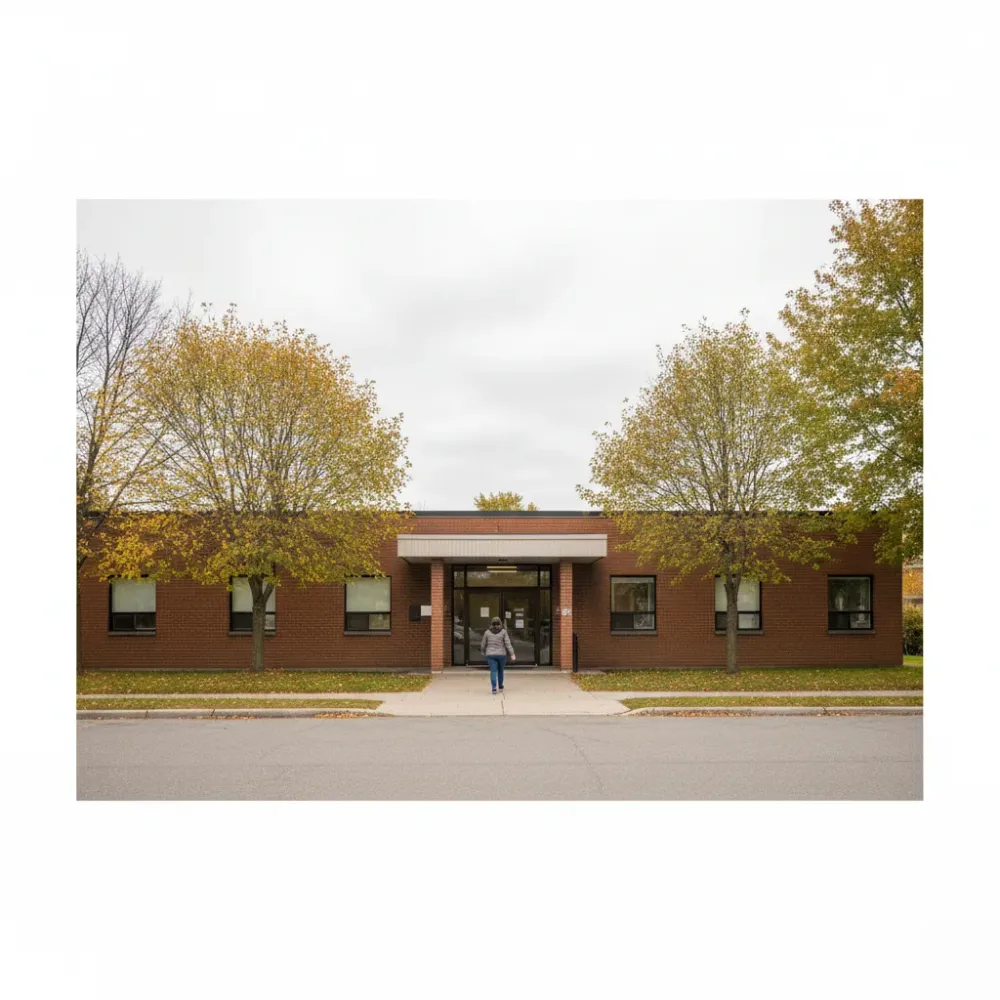
What to Expect During Your Sleep Counseling Visit in Rothesay
Your first visit is really just a conversation. That’s it. No machines, no wires, no cold exam room. You sit down with one of our counselors, and we talk about what’s going on with your sleep.
We’ll ask things like how long it takes you to fall asleep, how often you wake up at night, and what your mornings feel like. We want to know about your energy, your mood, your daily routine. Most people don’t realize how much sleep affects everything else. Your focus at work, your patience with your kids, even your appetite. So we look at the full picture.
Expect the first session to run about 50 to 60 minutes. We hear this a lot from new clients: “I didn’t think I’d have that much to say.” But once we start asking the right questions, people open up. Maybe you’ve been lying awake since 2 a.m. for months. Maybe your partner says you stop breathing in the middle of the night and it scares them. Whatever brought you here, we’ve probably heard something similar before.
We’ll walk you through a sleep history. That means looking at patterns over weeks and months, not just last night. We also ask about things that seem unrelated. Caffeine habits, screen time, stress at home, shift work. All of it matters.
After that first session, we’ll outline a plan together. Not a generic handout. A real plan built around your life here in Rothesay, your schedule, and what’s actually realistic for you. Some clients near the Kennebecasis River trail tell us they walk every evening but still can’t wind down. That kind of detail helps us fine-tune things.
And if we think something medical needs a closer look, we’ll let you know right away. Our licensed counselors know when to refer out for a sleep study or a doctor’s visit. We won’t guess.
Not sure if your sleep issue is “bad enough” to come in? That’s actually pretty common. If it’s affecting your day, it’s worth a visit.
Long-Term Sleep Health Strategies for Rothesay Residents
Getting better sleep isn’t just about fixing one bad night. It’s about building habits that stick.
We work with people right here in Rothesay who’ve tried everything on their own. Melatonin gummies, white noise apps, even sleeping in the spare room. Some of those things help a little. But without a real plan behind them, the relief doesn’t last. That’s where long-term strategies come in. We help you build a sleep routine that fits your actual life, not some textbook version of it.
One of the first things we look at is your sleep window. That’s the specific block of time your body naturally wants to rest. Most people don’t realize they’re fighting against their own rhythm. Maybe you’re forcing yourself to bed at 10 p.m. when your body isn’t ready until 11:15. Small shift. Huge difference. We figure that out together and then build around it.
Light exposure matters more than you’d think. Folks living along the Kennebecasis River area know how the seasons change the daylight here. Long summer evenings and dark winter mornings can throw your internal clock way off. We teach you how to use light strategically, getting bright light early in the day and dimming things down well before bed.
Then there’s the mental side. Stress doesn’t just make it hard to fall asleep. It changes the quality of the sleep you do get. We give you specific tools for winding down. Not vague advice like “try to relax.” Real techniques. Breathing patterns, thought-parking exercises, body scans that take three minutes or less.
According to the Canadian Sleep Society, consistent sleep habits reduce the risk of chronic insomnia by nearly half. That lines up with what we see every day in our Rothesay clients. The ones who commit to a structured plan sleep better within weeks, and they stay better.
We also check in with you over time. Sleep changes as your life changes. New job, new baby, seasonal shifts. Your plan should adapt too. That’s why we don’t just hand you a worksheet and send you off. We stay involved.
Frequently Asked Questions
Common questions about • sleep disorder counseling services in Rothesay
What actually happens during a sleep disorder counseling session in Rothesay?
<h3>What actually happens during a sleep disorder counseling session in Rothesay?</h3><p>Your first session is mostly about listening — we ask about your nights, your days, and what your mind does at 2 a.m. There are no sleep labs or machines. You sit in a quiet room and we talk through what’s going on. From there, we build a plan together. That might mean cognitive behavioral therapy for insomnia, relaxation training, or reworking your wind-down routine. You stay in control the whole time.</p>
How do I know if my sleep problem is serious enough to get counseling?
<h3>How do I know if my sleep problem is serious enough to get counseling?</h3><p>If poor sleep has been dragging on for more than a few weeks, it’s worth talking to someone. Signs include waking at 3 a.m. with a racing mind, feeling exhausted by 2 p.m., trouble concentrating, or feeling irritable over small things. The Canadian Sleep Society says about one in three adults deals with insomnia symptoms. You don’t have to be at a breaking point to ask for help.</p>
Do people in Rothesay typically need medication to fix sleep problems?
<h3>Do people in Rothesay typically need medication to fix sleep problems?</h3><p>Most people do not need medication to improve their sleep. What they need is help understanding why sleep broke down in the first place. Cognitive behavioral therapy for insomnia is recommended as a first-line treatment by the American Academy of Sleep Medicine — and it works without pills. We focus on finding the root cause and fixing that, whether it’s anxiety, a disrupted rhythm, or a habit pattern that’s quietly making things worse.</p>
I’ve already tried melatonin and white noise apps — will counseling actually be different?
<h3>I’ve already tried melatonin and white noise apps — will counseling actually be different?</h3><p>Yes, because those tools only scratch the surface when there’s an underlying pattern driving your sleep issues. Many clients near the Kennebecasis Drive area come in having tried all the usual fixes with no lasting results. Counseling digs into the actual cause — whether that’s insomnia, a circadian rhythm problem, or anxiety — and builds a plan around your specific situation. We won’t hand you another checklist if checklists haven’t worked.</p>
How long does it take to see results from sleep disorder counseling?
<h3>How long does it take to see results from sleep disorder counseling?</h3><p>Many people in Rothesay start noticing changes faster than they expected. We track your progress using sleep diaries and regular check-ins, so you can actually see patterns shifting on paper. Results depend on what’s causing your sleep problems, but targeted changes tend to move things quicker than trial and error on your own. The goal is steady, real progress — not a quick fix that fades after a week.</p>
Is sleep disorder counseling a good fit for shift workers or people with irregular schedules in Rothesay?
<h3>Is sleep disorder counseling a good fit for shift workers or people with irregular schedules in Rothesay?</h3><p>Absolutely — shift work is one of the most common reasons people around the Rothesay Common area struggle with sleep. Irregular hours throw off your body’s natural rhythm, and that doesn’t fix itself just by sleeping in on weekends. We look at your specific schedule and build an approach around it. Structured sleep restriction and circadian rhythm techniques can make a real difference for people whose work hours don’t follow a normal pattern.</p>
Ready to Get Started?
Call now to set up your free sleep test Call (506) 847-5100 today.