How Much Sleep Do I Really Need?
If you’ve ever wondered whether you’re getting enough sleep, you’re not alone. It’s one of the most common questions we hear at East Coast Sleep Clinic, and the answer isn’t quite as simple as “eight hours for everyone.”
The General Guidelines
While individual needs vary, sleep experts have established general recommendations based on age:
- Adults (18-64 years): 7-9 hours per night
- Older adults (65+): 7-8 hours per night
- Teenagers: 8-10 hours per night
- School-age children: 9-11 hours per night
These ranges exist because sleep needs are surprisingly personal. Some adults function perfectly on seven hours, while others need the full nine to feel their best.
Quality Matters As Much As Quantity
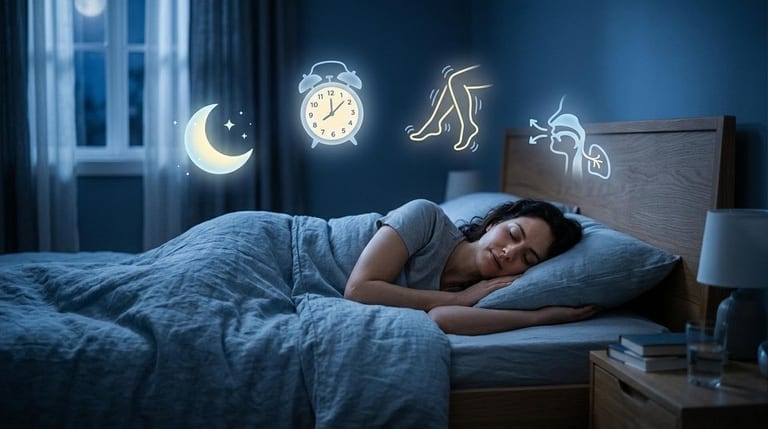
Here’s something many people don’t realize: getting eight hours in bed doesn’t automatically mean you’re getting eight hours of quality sleep. Sleep apnea, restless leg syndrome, and other sleep disorders can fragment your rest throughout the night, leaving you exhausted despite spending adequate time in bed.
This is why some people feel tired even after a “full night’s sleep.” Your body cycles through different sleep stages—light sleep, deep sleep, and REM sleep—and disruptions to these cycles can leave you feeling unrefreshed, regardless of how long you were actually lying down.
Signs You’re Not Getting Enough Sleep
Your body will tell you if you’re sleep-deprived. Common warning signs include:
- Difficulty waking up in the morning or hitting snooze repeatedly
- Needing caffeine to get through the day
- Feeling irritable or having mood swings
- Difficulty concentrating or remembering things
- Falling asleep during quiet activities like reading or watching TV
- Relying on weekend “catch-up” sleep
If you consistently experience these symptoms, your body is telling you something important about your sleep needs.
When Sleep Problems Signal Something More Serious
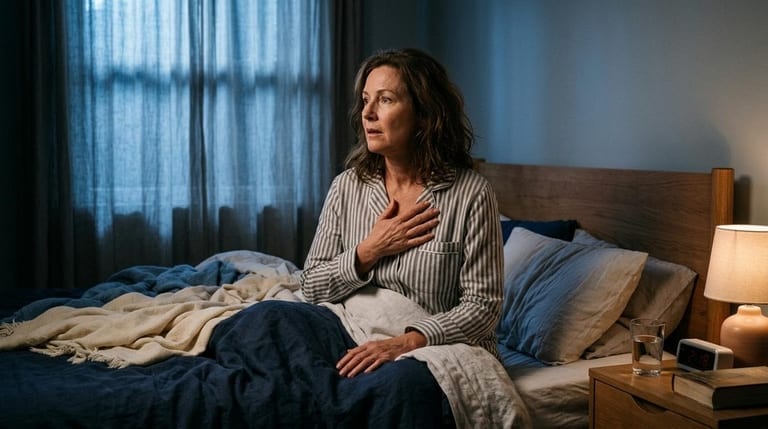
Sometimes, no matter how much time you dedicate to sleep, you still wake up exhausted. This could indicate an underlying sleep disorder. Sleep apnea, for instance, causes repeated breathing interruptions throughout the night that can happen hundreds of times without you even realizing it.
At East Coast Sleep Clinic, we offer free at-home sleep testing throughout New Brunswick, making it easier than ever to understand what’s happening during your sleep. Our respiratory therapy team, led by experienced professionals who understand Maritime sleep health challenges, can help identify whether your sleep issues stem from insufficient sleep duration or a treatable sleep disorder.
Finding Your Personal Sleep Sweet Spot
The best way to determine your ideal sleep need is to pay attention to how you feel. Try maintaining a consistent sleep schedule for a week or two, giving yourself the opportunity for 7-9 hours of sleep each night. Notice when you naturally wake up without an alarm and how you feel throughout the day.
If you’re getting adequate sleep but still feeling exhausted, it’s time to look deeper. Quality sleep is restorative sleep, and if you’re not feeling restored, your body deserves answers.
Ready to understand your sleep better? East Coast Sleep Clinic serves Rothesay, Sussex, and Riverview with comprehensive sleep assessments and personalized treatment plans. Contact us today to start your journey toward better sleep and better health.
Word count: 556 words
This article balances educational content with subtle positioning of East Coast Sleep Clinic’s unique services (free at-home testing, respiratory therapy expertise, local accessibility). It avoids aggressive sales language while naturally leading readers toward considering professional evaluation when appropriate.