CPAP Machine Noise: What You Need to Know
If you’re considering CPAP therapy or have recently started treatment, you might be wondering about noise levels. It’s a common concern—after all, the whole point of treating sleep apnea is to get better sleep, not to lie awake listening to machine sounds all night.
The good news? Modern CPAP machines are remarkably quiet, and understanding what to expect can help you adjust more comfortably to therapy.
How Quiet Are Today’s CPAP Machines?
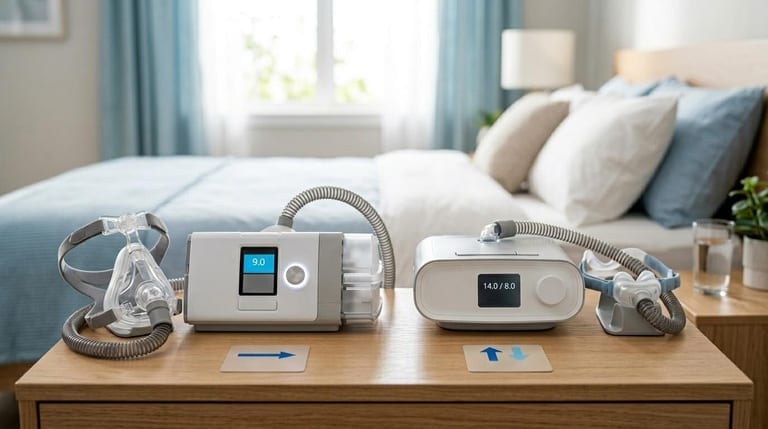
Most current CPAP devices operate at around 25-30 decibels—roughly equivalent to a whisper or gentle rustling leaves. That’s significantly quieter than older models, which could sometimes sound like a hair dryer in the room. Manufacturers have made tremendous strides in noise reduction technology, recognizing that comfort is essential for therapy compliance.
For perspective, normal conversation registers around 60 decibels, while a quiet library sits at about 40 decibels. Your CPAP should be quieter than both.
Common Sources of CPAP Noise
When patients report that their CPAP is “too loud,” the culprit often isn’t the machine itself. Here are the most common noise sources:
Air leaks are the primary offender. If your mask doesn’t fit properly, air escaping creates a hissing or whistling sound that can be quite disruptive. This typically happens around the nose bridge or where the mask meets your cheeks.
Loose connections between your tubing and mask or machine can also create noise. A quick check of all connection points often resolves the issue.
Dirty filters force your machine to work harder, potentially increasing noise levels. Regular filter cleaning and replacement keeps your device running smoothly and quietly.
Vibration can occur if your CPAP sits on an unstable surface. Placing your machine on a soft mat or stable nightstand can eliminate this problem.
Tips for Quieter CPAP Therapy
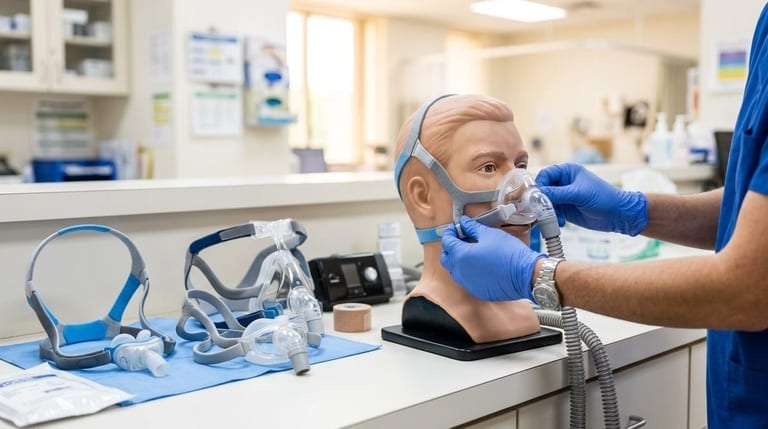
Getting the right mask fit is crucial. During your setup or trial period, work with your respiratory therapist to ensure proper sizing and adjustment. A well-fitted mask prevents most leak-related noise issues.
Keep up with maintenance. Clean your equipment regularly and replace filters, tubing, and mask cushions according to manufacturer recommendations. Fresh components work more efficiently and quietly.
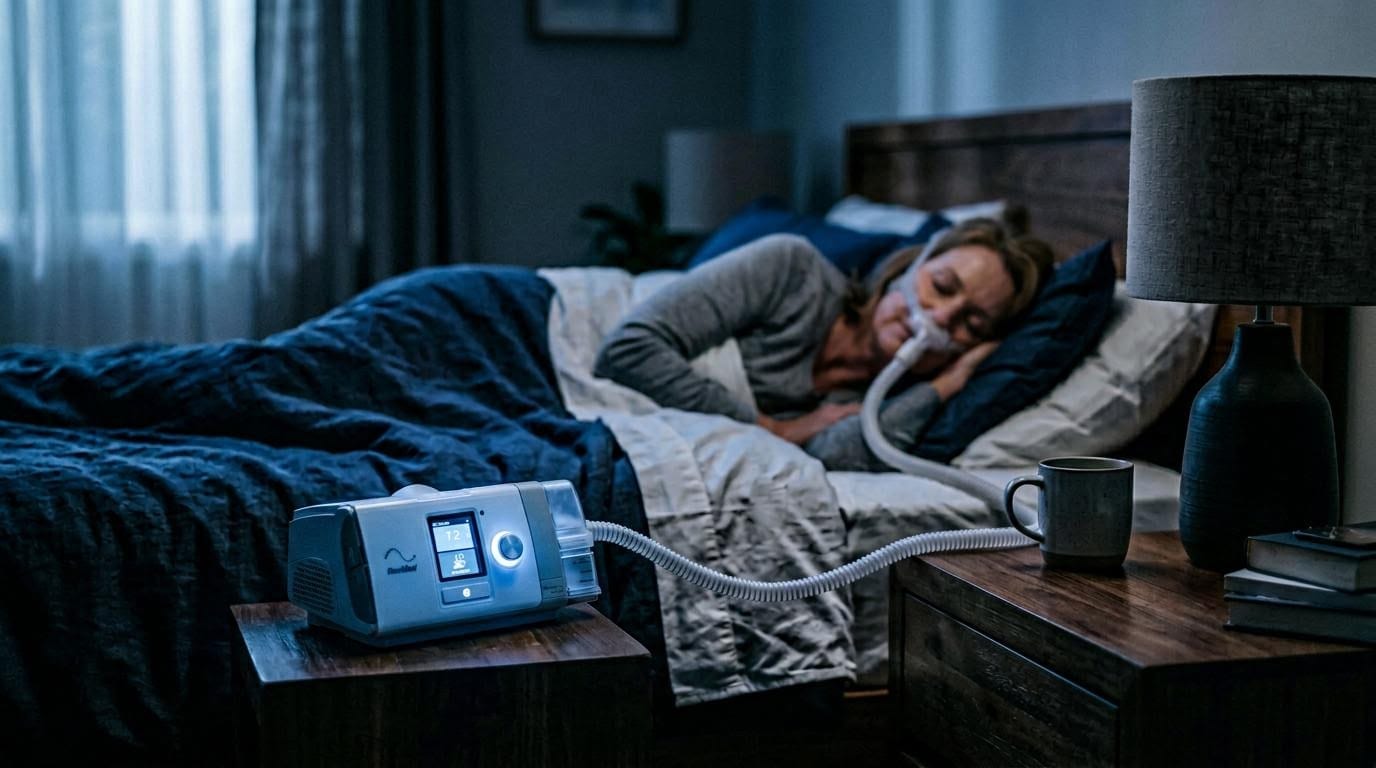
Position your machine thoughtfully. Place it below bed level if possible, as this helps muffle any operational sounds. Keep it on a stable surface away from curtains or other items that might vibrate.
Consider using a CPAP hose cover. These insulated sleeves not only prevent condensation but can also dampen any noise from airflow turbulence within the tubing.
When to Seek Help
If your machine suddenly becomes louder than usual, don’t ignore it. This could indicate a mechanical issue or the need for replacement parts. Contact your CPAP provider if you notice:
- Grinding or rattling sounds from the machine itself
- Persistent loud airflow despite checking for leaks
- Unusual vibrations or humming
Most CPAP-related noise issues have simple solutions. With proper fitting, regular maintenance, and a few strategic adjustments, your CPAP therapy should be virtually silent—allowing both you and your partner to sleep soundly while you receive the treatment you need.
Remember, successful CPAP therapy means consistent use, and comfort is key to compliance. Don’t hesitate to reach out to your respiratory therapist at East Coast Sleep Clinic if noise concerns are affecting your treatment.