BiPAP vs CPAP: Understanding Your Sleep Apnea Treatment Options
If you’ve been diagnosed with sleep apnea, your healthcare provider has likely mentioned CPAP therapy as a treatment option. But you may have also heard the term “BiPAP” and wondered what the difference is. While both devices help keep your airway open during sleep, they work in slightly different ways—and understanding these differences can help you feel more confident about your treatment.
What is CPAP Therapy?
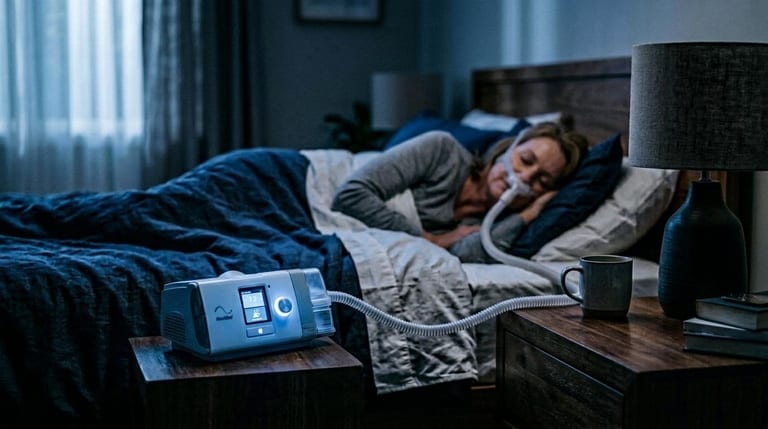
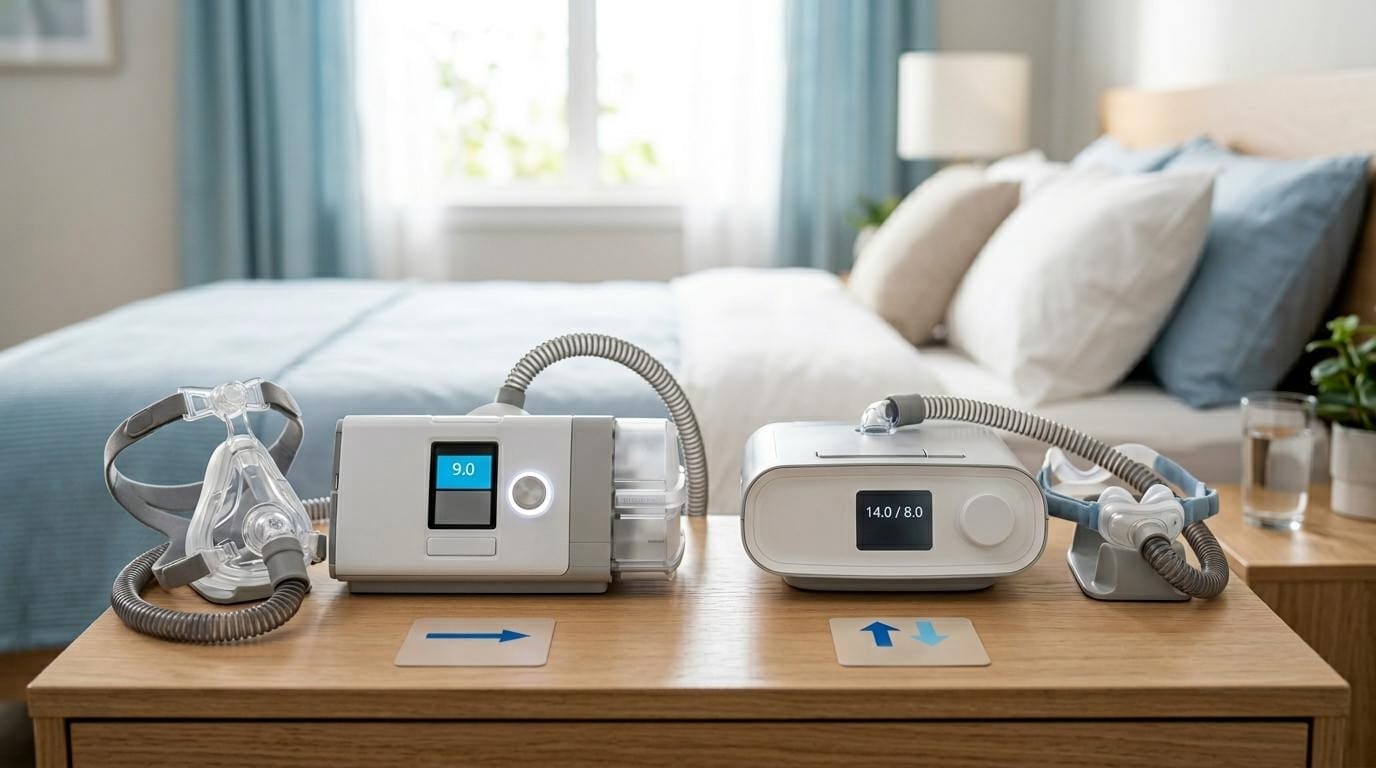
CPAP (Continuous Positive Airway Pressure) is the most commonly prescribed treatment for obstructive sleep apnea. The device delivers a steady stream of pressurized air through a mask you wear while sleeping. This constant air pressure acts like a splint, keeping your throat from collapsing and preventing those dangerous pauses in breathing that characterize sleep apnea.
Think of it like this: your airway is similar to a soft garden hose. When there’s no air flowing through it, the walls can collapse inward. CPAP therapy keeps that “hose” inflated and open all night long, ensuring oxygen continues flowing to your body without interruption.
How BiPAP is Different
BiPAP (Bi-level Positive Airway Pressure) offers a more sophisticated approach. Instead of delivering one continuous pressure, BiPAP provides two different pressure levels—a higher pressure when you breathe in, and a lower pressure when you breathe out.
For some people, exhaling against the constant pressure of CPAP can feel uncomfortable or even difficult. BiPAP addresses this concern by reducing the pressure during exhalation, making breathing feel more natural and comfortable.
Who Benefits from BiPAP?
While CPAP works well for most people with obstructive sleep apnea, BiPAP may be recommended in certain situations:
Complex sleep apnea conditions. If you have central sleep apnea or a combination of obstructive and central sleep apnea, BiPAP’s dual-pressure system can be more effective at managing your specific breathing patterns.
High pressure requirements. Some individuals need higher pressure settings to keep their airway open. When those pressures climb above a certain threshold, exhaling against that force becomes challenging. BiPAP makes this more manageable.
Difficulty tolerating CPAP. If you’ve tried CPAP therapy but struggled with the sensation of breathing out against constant pressure, BiPAP might be the solution that helps you stick with treatment long-term.
Other respiratory conditions. People with COPD, obesity hypoventilation syndrome, or certain neuromuscular disorders often find BiPAP more appropriate for their needs than standard CPAP.
The Comfort Factor
Successful sleep apnea treatment isn’t just about what works medically—it’s about what you’ll actually use every night. A machine that sits on your nightstand because it’s too uncomfortable isn’t helping anyone.
Many patients who switch to BiPAP report that breathing feels more natural, almost like the machine is working with their body rather than against it. This improved comfort often translates to better compliance, meaning you’re more likely to use your therapy consistently and experience the life-changing benefits of treating your sleep apnea.
Cost Considerations
BiPAP machines are generally more expensive than CPAP devices, both for the initial purchase and ongoing maintenance. However, if BiPAP is medically necessary for your condition, provincial health coverage or private insurance may help offset these costs.
At East Coast Sleep Clinic, we work with patients to navigate insurance coverage and ensure you’re getting the most appropriate therapy for your specific needs and circumstances.
Making the Right Choice
The decision between BiPAP and CPAP isn’t something you need to figure out on your own. Your sleep specialist or respiratory therapist will review your sleep study results, consider your overall health, and take into account any difficulties you’ve experienced with previous therapies.
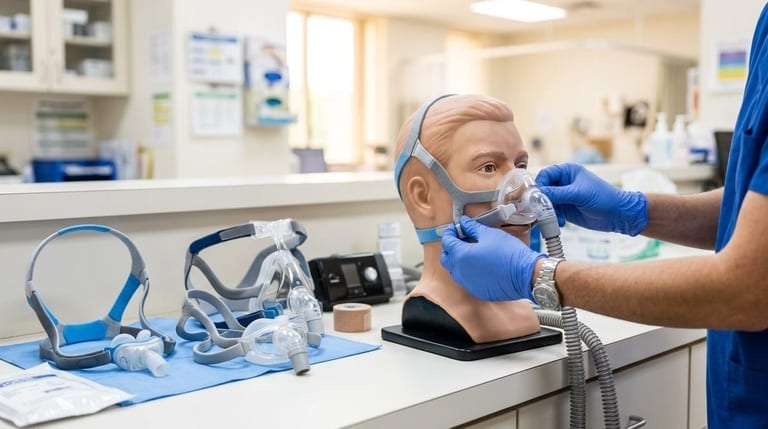
Here in New Brunswick, our approach focuses on finding the right fit for each individual patient. We offer free CPAP trials so you can experience the therapy in the comfort of your own home before making any commitments. If CPAP isn’t quite right, we’ll work with you to explore whether BiPAP might be a better option.
The Bottom Line
Both CPAP and BiPAP are highly effective treatments for sleep apnea—they just take different approaches. CPAP’s single, steady pressure works perfectly for most people, while BiPAP’s dual-pressure system provides a more customized breathing experience for those who need it.
What matters most is finding a therapy you can use comfortably every single night. Untreated sleep apnea carries serious health risks, from high blood pressure and heart disease to diabetes and stroke. The best device for you is the one you’ll actually wear.
If you’re struggling with your current therapy or have questions about whether BiPAP might be right for you, we’re here to help. Our team serves Rothesay, Sussex, and Riverview, offering personalized sleep apnea care that puts your comfort and health first.
Ready to breathe easier at night? Contact East Coast Sleep Clinic today to discuss your treatment options and find the solution that works for you.