Remote Sleep Apnea Monitoring: Getting Quality Care From Anywhere in Atlantic Canada
Living with sleep apnea used to mean frequent trips to a clinic for equipment checks and therapy adjustments. For patients in rural communities or those with mobility challenges, these regular appointments could be a significant burden. Today, remote sleep apnea monitoring is changing how respiratory therapy works, making it easier than ever to receive expert care without the constant need for in-person visits.
What Is Remote Sleep Apnea Monitoring?
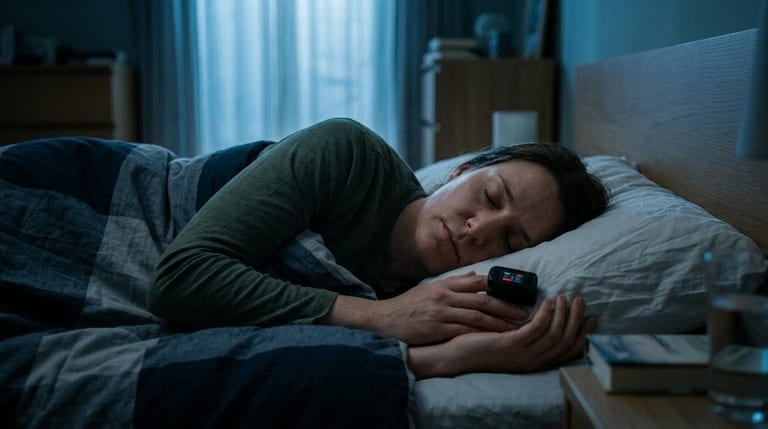
Remote sleep apnea monitoring uses internet-connected CPAP and BiPAP devices that automatically transmit your therapy data to your healthcare provider. Instead of bringing your machine to a clinic every few months to download data, your device sends information wirelessly whenever it’s connected to your home network. This means your respiratory therapist can track your progress in real-time and identify potential issues before they become serious problems.
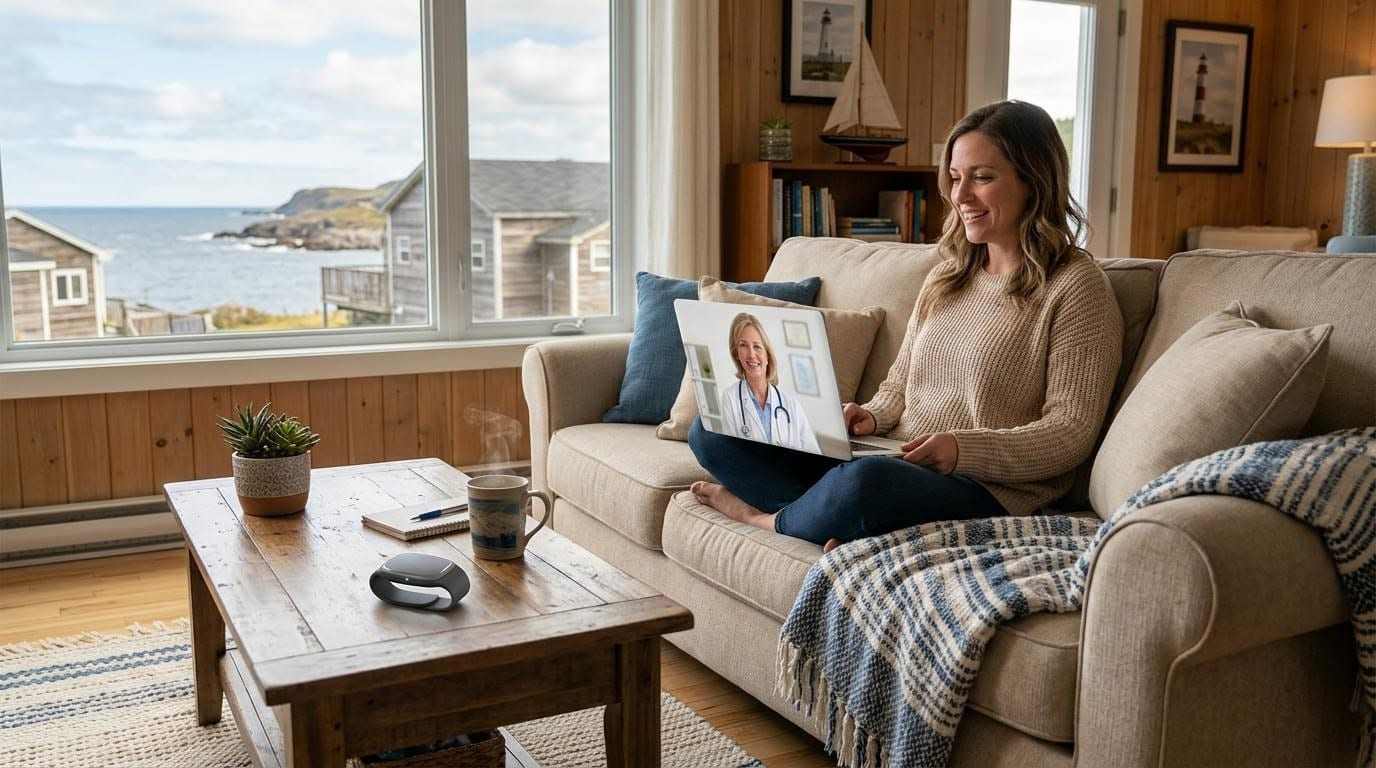
At East Coast Sleep Clinic, this technology has transformed patient care. The clinic’s respiratory therapists proactively monitor their patients’ therapy data and regularly reach out to check in, discuss any concerning patterns they’ve noticed, and ensure the treatment is delivering results. It’s personalized healthcare that comes to you, rather than always requiring you to come to a clinic.
The Information That Can Be Monitored
Modern CPAP machines are sophisticated devices that track much more than just whether you remembered to use them. The data transmitted through remote monitoring provides a comprehensive picture of your sleep apnea therapy, including:
Usage Patterns: Your device records exactly how many hours per night you’re using your therapy. Consistent use is crucial for managing sleep apnea effectively, and tracking this helps identify if something is interfering with your ability to use the machine regularly.
Apnea-Hypopnea Index (AHI): This critical measurement shows how many breathing interruptions you’re experiencing per hour. Remote monitoring tracks your AHI nightly, allowing your therapist to see whether your therapy is adequately controlling your sleep apnea events.
Mask Leak Data: Even small mask leaks can reduce therapy effectiveness. Your device monitors leak rates and can help identify when a mask adjustment or replacement might be needed.
Pressure Levels: For patients using auto-adjusting machines, the device records the pressure ranges used throughout the night. This information helps determine if your prescribed pressure settings are appropriate or need adjustment.
Therapy Efficacy: Beyond just recording events, modern devices can show how well the therapy is working overall, including patterns that might indicate the need for settings changes.
Breathing Patterns: Some advanced devices can track breathing rates and patterns, providing additional insight into your respiratory health during sleep.
This wealth of information allows respiratory therapists to fine-tune your therapy without waiting for quarterly appointments. If your AHI suddenly increases or your mask leak rates spike, your therapist can reach out proactively rather than discovering the issue months later.
Why Remote Monitoring Matters for Atlantic Canada
The geography of the Maritime provinces creates unique challenges for healthcare access. Many communities are hours away from specialized respiratory services, and harsh winter weather can make travel difficult or dangerous. Remote monitoring addresses these barriers by bringing expert care to patients wherever they live.
East Coast Sleep Clinic serves patients across New Brunswick and beyond, and you don’t need to be local to their three office locations in Rothesay/Kennebecasis Valley, Sussex, or Riverview to receive their care. Whether you live in a rural area, have a busy schedule that makes regular appointments difficult, or simply prefer the convenience of remote monitoring, their team can support your therapy from a distance.
The Human Touch in Remote Care
While the technology enables remote monitoring, the real value comes from having experienced respiratory therapists who know how to interpret the data and take appropriate action. At East Coast Sleep Clinic, remote monitoring doesn’t mean automated algorithms sending impersonal alerts. Instead, it means a dedicated team member reviews your data, understands your individual situation, and reaches out when they see opportunities to improve your therapy or address emerging concerns.
These check-ins might involve discussing why your usage dropped last week, exploring solutions for persistent mask leaks, or celebrating the progress you’ve made in controlling your apnea events. The goal is to catch small issues before they derail your therapy and to ensure you always have support when questions arise.
Getting Started with Remote Sleep Apnea Care
If you’re newly diagnosed with sleep apnea or struggling with traditional in-clinic monitoring, remote care might be the solution you need. Modern CPAP equipment from manufacturers like ResMed and Philips Respironics comes with built-in cellular or WiFi connectivity, making the setup straightforward.
The key is working with a respiratory therapy provider who actively uses this data to support your care. Some providers may have remote monitoring capability but check the data infrequently or only when problems are reported. Others, like East Coast Sleep Clinic, take a proactive approach—regularly reviewing patient data and reaching out to ensure therapy success.
Your Sleep Health, No Matter Where You Live
Sleep apnea is a serious condition that requires ongoing management, but that management shouldn’t be limited by geography or require constant travel. Remote monitoring combined with responsive, personalized care from experienced respiratory therapists offers the best of both worlds: the convenience of care from home and the expertise of specialized professionals who are genuinely invested in your health outcomes.
Whether you’re in a major urban center or a small rural community anywhere in Atlantic Canada, quality sleep apnea care is now within reach. The technology connects you to expertise, and the human touch ensures that expertise is applied in ways that work for your unique situation and needs.