
Why Cardiologists in Greater Moncton Refer Patients for Sleep Studies

A lot of cardiac patients in the Greater Moncton area are doing everything their cardiologist asks and still not improving. Often the missing piece is sleep, and it's the last thing most heart patients think to check.
This is why cardiologists at The Moncton Hospital and the Dr. Georges-L.-Dumont University Hospital Centre regularly refer patients across the Petitcodiac to East Coast Sleep Clinic- Riverview for a sleep assessment. Both hospitals are a 10 to 15 minute drive from the clinic. The referral volume from the Greater Moncton area reflects how seriously local cardiologists treat the sleep-heart connection. Patients and referring offices can reach the clinic directly at (506) 405-0700.
The four most common reasons for a cardiology referral are atrial fibrillation, congestive heart failure, recovery after a heart attack, and resistant hypertension. In each of these conditions, untreated obstructive sleep apnea makes management harder, outcomes worse, and medications less effective. A patient whose AFib keeps returning despite proper treatment, or whose blood pressure won't respond to multiple medications, is almost certainly a patient whose sleep has never been evaluated.
Is sleep apnea linked to heart disease? Yes. Strongly, and in both directions. OSA contributes to cardiovascular disease, and cardiovascular disease worsens sleep quality. Identifying and treating the sleep component is part of treating the heart condition.
What that looks like at the tissue level, and why it matters for your specific diagnosis, is worth understanding before your appointment.
How Untreated Sleep Apnea Damages the Cardiovascular System
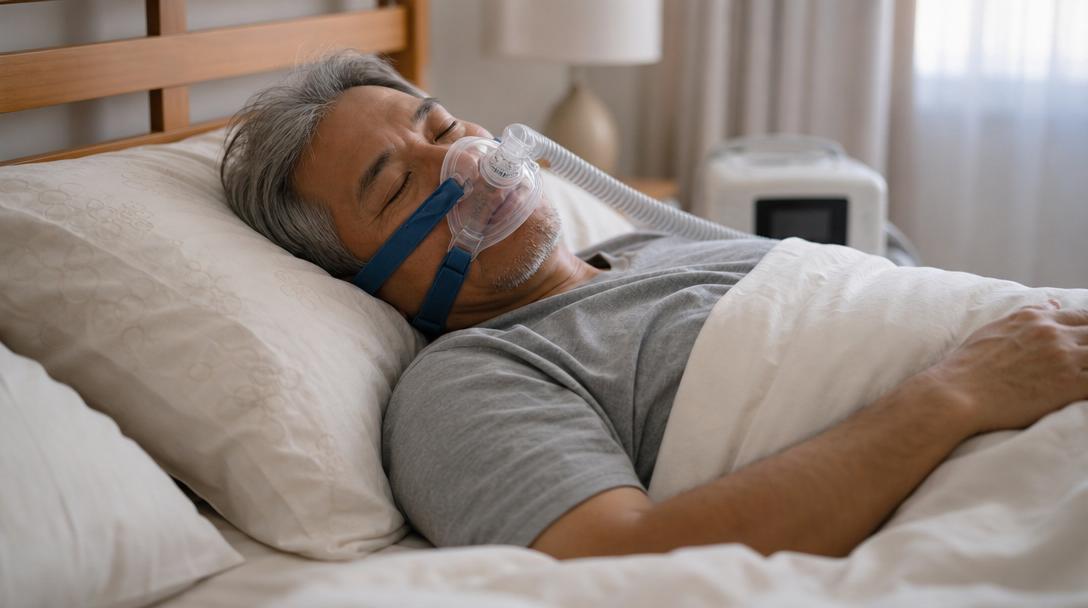
Every time the airway collapses, blood oxygen drops. The brain reads this as a crisis and fires the sympathetic nervous system. Blood pressure and heart rate spike. This happens dozens to hundreds of times per night, and over months and years, those spikes don't stop when sleep does.
Chronic sympathetic activation keeps blood pressure elevated around the clock, stiffens arterial walls, and forces the heart to work against higher resistance than it should. Tracking what's happening overnight with nocturnal oxygen monitoring often surfaces the pattern before the patient ever notices it.
The atria take a particular hit. Repeated oxygen drops stretch the atrial walls and drive inflammation at the cellular level. That stretch disrupts the electrical signaling that keeps the heart in a normal rhythm. To answer the question directly: yes, sleep apnea can cause atrial fibrillation. Patients with untreated moderate-to-severe OSA have notably higher rates of AFib, and those who develop AFib are far more likely to see it return after cardioversion or ablation if the apnea is still untreated.
For patients already managing congestive heart failure, the math gets worse. A heart already struggling to pump efficiently can't absorb nightly oxygen swings without consequence. Each desaturation event adds to the inflammatory load and speeds up the structural changes that make CHF harder to control. Post-MI patients face the same compounding problem.
New Brunswick's long winters don't help. Reduced physical activity through the colder months in southeastern NB contributes to gradual weight gain, which worsens OSA severity and adds more load to a cardiovascular system that has no room for it.
Understanding what's happening is one thing. Knowing how quickly a heart patient can get a real diagnosis is another. If you're managing a cardiac condition and sleep apnea has never been ruled out, that's a gap worth closing.
Home Sleep Apnea Testing vs In-Lab Polysomnography for Cardiology Patients
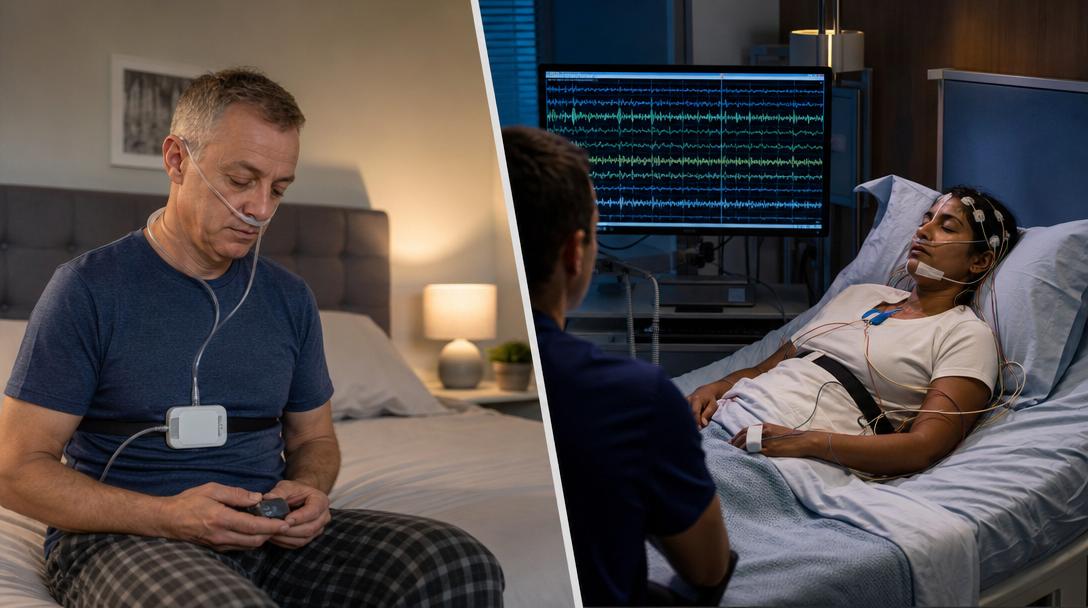
Two diagnostic paths exist, and for most cardiology referrals, one is considerably faster than the other.
A home sleep apnea test (HSAT) is typically the right starting point for heart patients with straightforward suspected OSA. The device records airflow, blood oxygen saturation, respiratory effort, and heart rate while the patient sleeps in their own bed. Results come back quickly. With home sleep testing in Riverview through East Coast Sleep Clinic- Riverview, that turnaround is measured in days rather than months, and that distinction matters here. In New Brunswick, referrals for publicly funded in-lab polysomnography routinely stretch many months before a patient gets a night booked. For a post-MI patient or someone with resistant hypertension, waiting that long to diagnose a serious breathing disorder is not a reasonable option.
An in-lab sleep study is still the right call in specific situations. Patients with congestive heart failure who may have central sleep apnea, where the brain fails to send proper breathing signals rather than the airway collapsing, need the fuller picture that an attended lab study provides. The same applies to patients being evaluated for adaptive servo-ventilation therapy, which requires precise titration that home testing cannot capture. Complex cases belong in the lab.
For the majority of cardiology referrals coming into Riverview from Moncton-area clinics, though, HSAT gets the job done faster without sacrificing diagnostic accuracy. If your cardiologist has already suggested a sleep study, or you suspect this is the missing piece, getting a sleep apnea diagnosis scheduled is a straightforward next step.
Once the diagnosis is confirmed, the focus shifts to treatment, and specifically to whether CPAP therapy actually reduces cardiovascular risk.
Will CPAP Therapy Actually Lower Heart Risk?

Yes, but only when the machine is actually being used.
Studies on CPAP and AFib recurrence show a real reduction in arrhythmia episodes after cardioversion or ablation in patients who use their device consistently, typically defined as four or more hours per night on most nights. Patients who pick it up occasionally don't see the same benefit. Compliance is the variable that separates the evidence that works from the evidence that doesn't.
Getting there starts with proper titration. A poorly fitted or incorrectly pressured CPAP therapy setup is one of the main reasons patients abandon therapy inside the first month. East Coast Sleep Clinic- Riverview handles CPAP titration carefully, dialing in pressure settings that keep the airway open without causing the discomfort that drives patients to leave the mask on the nightstand.
For a subset of congestive heart failure patients, standard CPAP isn't the right fit. CHF can produce central sleep apnea, a pattern where breathing pauses originate in the brain rather than from a blocked airway. Pushing air against that pattern can actually worsen the problem. Adaptive servo-ventilation (ASV) therapy reads each breath in real time and adjusts support accordingly, a different tool for a different mechanism. For patients coming in through cardiology referrals from the Moncton Hospital corridor or the Dumont, knowing this distinction matters before equipment is ever prescribed.
None of this works in isolation, though. The cardiologist needs to stay in the picture, and that's where the co-management workflow ties everything together.
Cardiology Co-Management: How We Work With Your Heart Specialist

When a cardiologist sends a patient to us, they're not just ordering a test. They're expecting a clinical partner who closes the loop. That's the part most sleep providers in the Greater Moncton area leave open.
The workflow at East Coast Sleep Clinic- Riverview is built around the referral relationship. Once a cardiologist from a clinic along Coverdale Road, Pine Glen Road, or the Hillsborough Road corridor sends a patient our way, we schedule home sleep apnea testing within days, not weeks. Referring offices can send directly to (506) 405-0700 to get the process started. Results go back to the referring cardiologist with a structured clinical summary, not a raw data file, but an interpreted report that ties into what the cardiology team is already managing.
From there, if CPAP is indicated, we move quickly. Titration happens, the patient starts therapy, and the compliance data follows. AHI readings, nightly usage hours, mask leak rates. The numbers a cardiologist actually needs to make informed decisions about medication adjustments, cardioversion timing, or post-MI recovery planning. We send that data back at follow-up. The cardiologist stays in the picture throughout.
For cases that involve more than straightforward OSA, complex sleep disorder management keeps both teams aligned on what the patient actually needs.
Most sleep clinics in this region run a one-way street: the referral comes in, the study gets done, the report goes out, and the connection ends.
For cardiac patients, that isn't good enough.
What Riverview Heart Patients Should Know About Coverage and Equipment

Coverage is one of the first things patients ask about. The short answer: most working residents in Riverview are better covered than they expect.
Medavie Blue Cross, which covers a large portion of the Moncton-Riverview workforce, provides partial reimbursement for CPAP equipment and ongoing supplies, including masks, tubing, and filters. Most employer-sponsored plans in the region layer on top of that. East Coast Sleep Clinic- Riverview can walk you through how sleep apnea coverage works in New Brunswick before you commit to anything.
For working-age patients, there is one other consideration worth knowing upfront. New Brunswick's Department of Public Safety requires that physicians report patients with untreated OSA in certain circumstances, and untreated sleep apnea can affect your eligibility to drive. Getting diagnosed and onto therapy resolves this. It is not a reason to avoid testing. It is a reason to move quickly.
On the equipment side, patients along the Petitcodiac sometimes run into practical issues that don't come up in a Toronto-based sleep guide. Seasonal humidity swings and salt air in southeastern NB can affect how your CPAP humidifier behaves, how well your mask seals in drier winter months, and whether condensation builds up in the tubing overnight. These are manageable with the right settings. Getting a proper CPAP mask fitting handles most of the seal-related problems before they start.
If your referral is already in motion, or you want to get one started, scheduling is straightforward. Call the clinic or use the contact form on the site, and the team will confirm your first step and get you on the schedule.
Getting Started With Sleep Monitoring at East Coast Sleep Clinic- Riverview
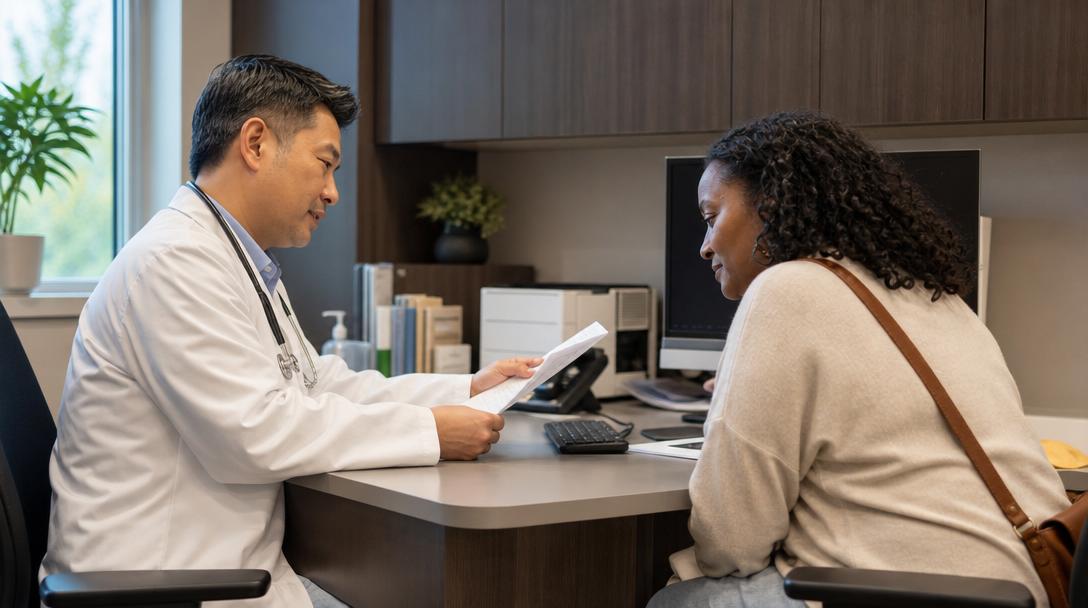
A cardiology referral makes the process simple. Bring it with you or have your cardiologist's office send it ahead, and East Coast Sleep Clinic- Riverview will handle the rest, with home sleep testing scheduled quickly, results turned around fast, and compliance data sent back to your referring physician.
No referral yet? That happens. If you have a cardiac diagnosis and you're waking up exhausted, gasping, or getting up repeatedly through the night, book a sleep disorder consultation and describe what's going on. The team can help you figure out the right first step.
East Coast Sleep Clinic- Riverview is a 10 to 15 minute drive from The Moncton Hospital and the Dr. Georges-L.-Dumont University Hospital Centre. No matter which side of the Petitcodiac your cardiologist is on, follow-up care stays close.
Riverview, Coverdale, Gunningsville, Pine Glen, the Hillsborough Road corridor, Moncton, and Dieppe are all covered. If your cardiologist hasn't raised the sleep question yet and your cardiac numbers still aren't moving, that's worth a call to (506) 405-0700.
Frequently Asked Questions
Is sleep apnea linked to heart disease?
Yes — strongly, and in both directions. Obstructive sleep apnea raises the risk of high blood pressure, atrial fibrillation, heart attack, stroke, and worsens existing congestive heart failure. Cardiovascular disease also degrades sleep quality, which is why cardiologists increasingly screen for OSA as part of cardiac management.
Can sleep apnea cause atrial fibrillation (AFib)?
It can, and the mechanism is direct. Repeated overnight oxygen drops stretch the atrial walls and trigger inflammation that disrupts the heart's electrical signaling. Patients with untreated moderate-to-severe OSA have significantly higher rates of AFib, and those who develop AFib are far more likely to see it return after cardioversion or ablation if the apnea is never addressed.
Can I do a home sleep test if I have heart failure?
It depends on the clinical picture. Straightforward suspected obstructive sleep apnea in a heart failure patient can often be evaluated with a home sleep apnea test. However, if central sleep apnea is suspected — where the brain fails to send proper breathing signals, which is more common in CHF — an in-lab polysomnography gives the fuller picture needed to guide treatment accurately.
How quickly can a cardiology referral get scheduled at East Coast Sleep Clinic- Riverview?
Private home sleep testing through East Coast Sleep Clinic- Riverview typically gets cardiology patients tested within days of referral. That turnaround is a meaningful difference from publicly funded in-lab wait times in New Brunswick, which routinely stretch many months — a delay that carries real risk for patients managing active cardiac conditions.
Will my CPAP results be sent back to my cardiologist?
Yes. CPAP compliance data — including AHI, nightly usage hours, and mask leak rate — is reported back to the referring cardiologist at follow-up. Keeping heart and sleep care coordinated matters for conditions like AFib and resistant hypertension, where CPAP adherence directly affects cardiovascular outcomes.
More Riverview Sleep Services
- East Coast Sleep – Riverview
- Fatigue Evaluation & Daytime Sleepiness Assessment in Riverview, NB
- Sleep Studies & Home Sleep Testing in Riverview, NB
- Medical Equipment Supplier in Riverview, NB
- Nocturnal Oxygen & Long-Term Sleep Monitoring in Riverview, NB
- Portable Sleep Study in Riverview, NB
- Sleep Apnea Diagnosis in Riverview, NB
- In-Lab Sleep Study in Riverview, NB
- Sleep Tracking & Long-Term Sleep Monitoring in Riverview, NB
- Travel Sleep Study Services in Riverview, NB
- Upper Airway Resistance Syndrome (UARS) Evaluation in Riverview, NB