Why Your CPAP Mask Fit Matters More Than the Machine
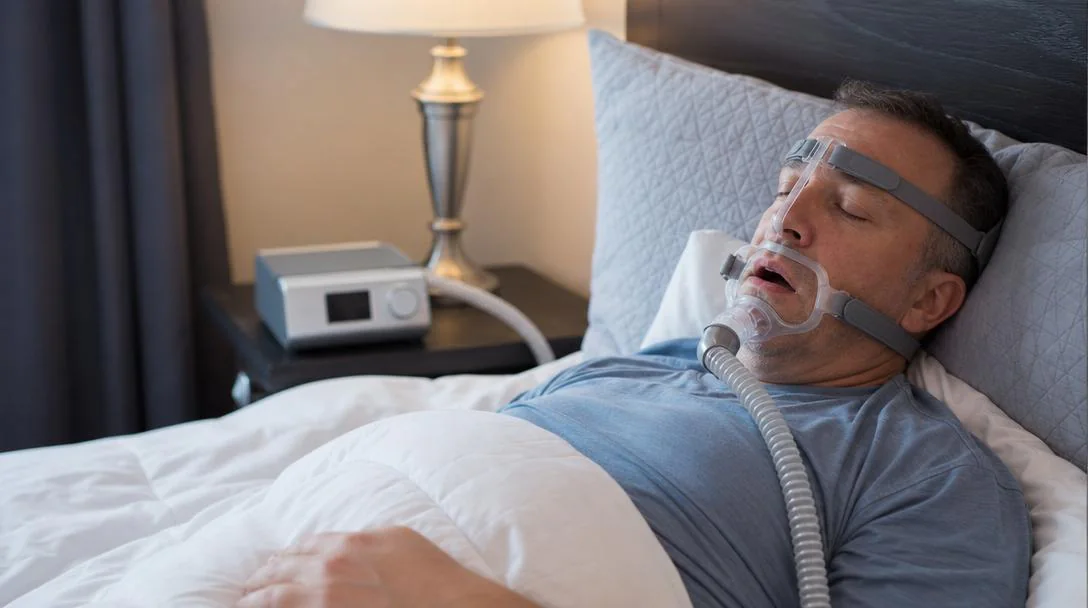
Most Saint John patients who give up on CPAP therapy don't give up because the machine stopped working. They give up because the mask never fit properly to begin with. Waking up with the mask half off. Sore spots on the bridge of the nose by morning. The machine almost never causes those problems.
The mask does.
For most patients who give up on CPAP, the mask is where things went wrong. A poor seal means the pressure your doctor prescribed never actually reaches your airway. You're running the machine all night and not getting the therapy you need. Worse, you might not even realize it until your symptoms come back.
We see this pattern constantly at East Coast Sleep Clinic – KV. Patients who were set up through a mail-order supplier, received a mask based on a paper sizing template, and never had anyone watch them put it on. By the time they find us, they've been dealing with leaks, pressure sores, or both for months. It doesn't have to be that way. Getting the mask right is the foundation of successful CPAP therapy, and it's where we start with every patient.
Once you understand what actually causes a mask to leak, the fix becomes a lot clearer.
Why Your CPAP Mask Leaks (And Why It's Rarely Your Fault)
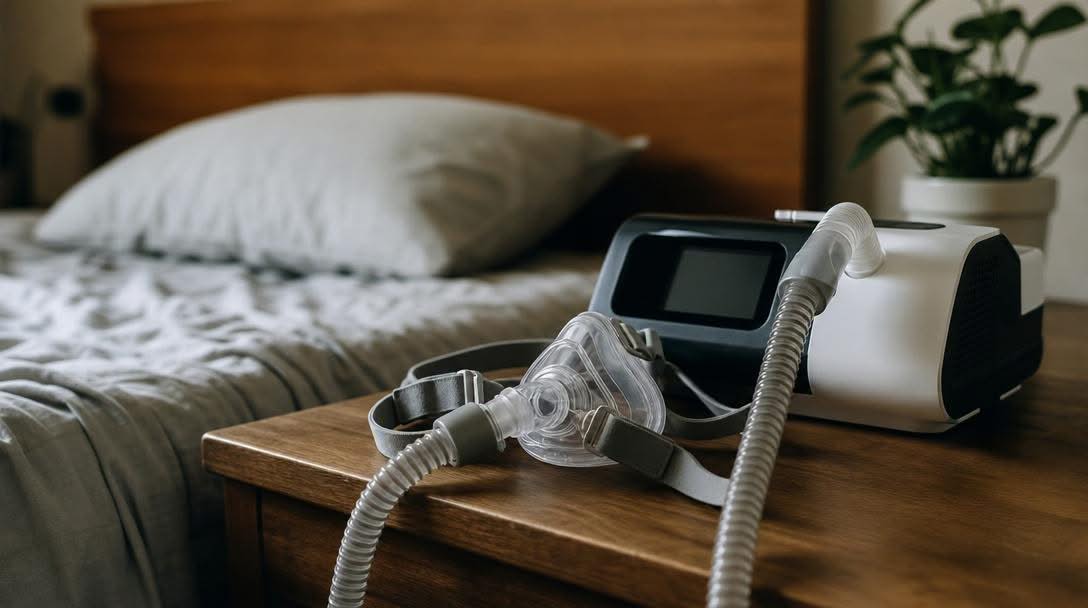
Leaks don't usually mean you're doing something wrong. They mean something changed, and the mask you have hasn't kept up.
The most common culprit is sizing. Most people were fitted once, by someone handing them a box, and that was it. Face shape, weight changes, and even how you sleep on a given night all affect how a mask seats against your skin. A size medium that worked fine last year may be gapping at the cheeks now.
Cushion wear is the second issue, and it catches people off guard. Silicone degrades. It loses its pliability, stops conforming to your face, and starts letting air past the seal. This happens faster than most patients realize. In Saint John, the humid coastal air and Bay of Fundy salt air near neighbourhoods like Red Head, Sand Cove, and Saint John West speed up that breakdown. With average annual humidity around 70%, climbing to 76% in November, silicone cushions here simply don't last as long as the replacement schedule on the box assumes.
Beyond sizing and cushion wear, mask type matters. A nasal mask that works for someone who breathes through their nose won't work for a mouth breather. A full-face mask that fits perfectly when you're awake may gap when you roll onto your side. Stretched headgear is another factor that rarely gets mentioned. Worn-out elastics reduce the tension needed to hold the seal through the night.
Once you know which category the problem falls into, finding the right mask style becomes the next step. If you've been dealing with leaks for months without getting to the bottom of it, that's a good reason to call East Coast Sleep Clinic – KV at (506) 847-5100. We can usually get a fitting scheduled within a few days.
Nasal, Nasal Pillow, or Full-Face — How We Help You Choose
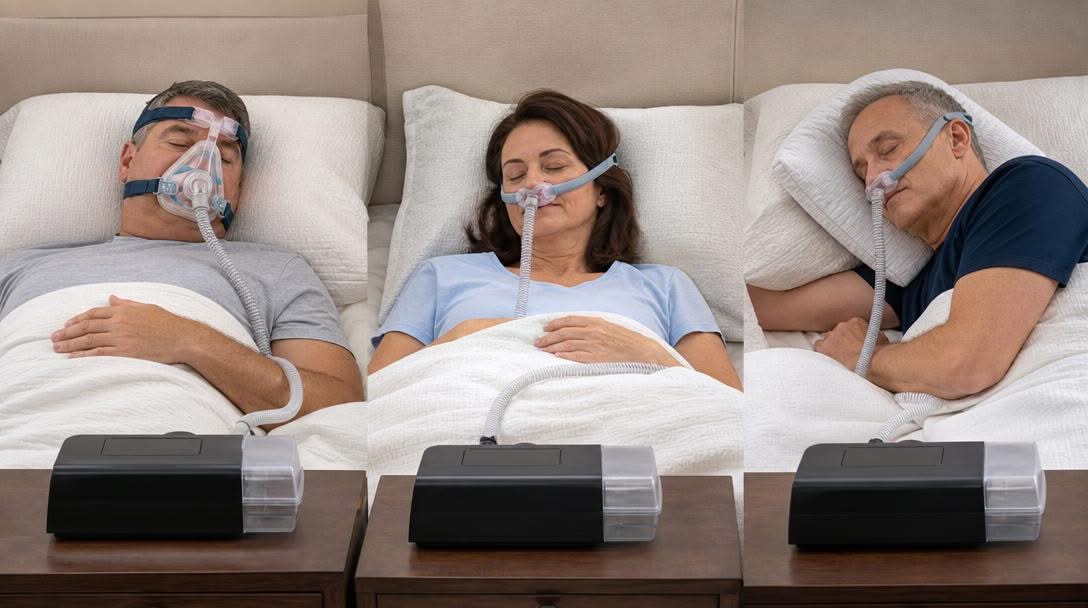
Three main mask styles cover the vast majority of CPAP users, and each one was built for a different kind of sleeper.
Nasal masks sit over the nose and create a seal around the bridge and sides. They work well for people who breathe through their nose, move around at night, and tend to sleep on their side. Nasal pillow masks go smaller. Two soft inserts rest at the nostrils rather than over the nose entirely. Side sleepers love them, people with facial hair tend to get a better seal with them, and anyone who has felt boxed in by a larger mask often finds the open field of view a relief.
Full-face masks cover both nose and mouth. Right fit for mouth breathers, and for anyone whose prescribed pressure is high enough that a nasal-only mask loses the seal overnight.
Here's what we do differently. We bring out all three styles in your size range and have you put each one on while your machine is running at your actual prescribed pressure. Not a demo setting. Not an estimate. Your pressure, your face, your real-world conditions, including the kind of humidity levels Saint John's coastal air brings into the bedroom. If you're curious about the CPAP machines we work with and how pressure settings factor into mask selection, that's a conversation we're happy to have during your fitting.
What most patients don't realize until they sit in our chair is that the style question and the sizing question are completely separate. Getting the style right is only half the equation.
How Do You Know Which CPAP Mask Size You Need?
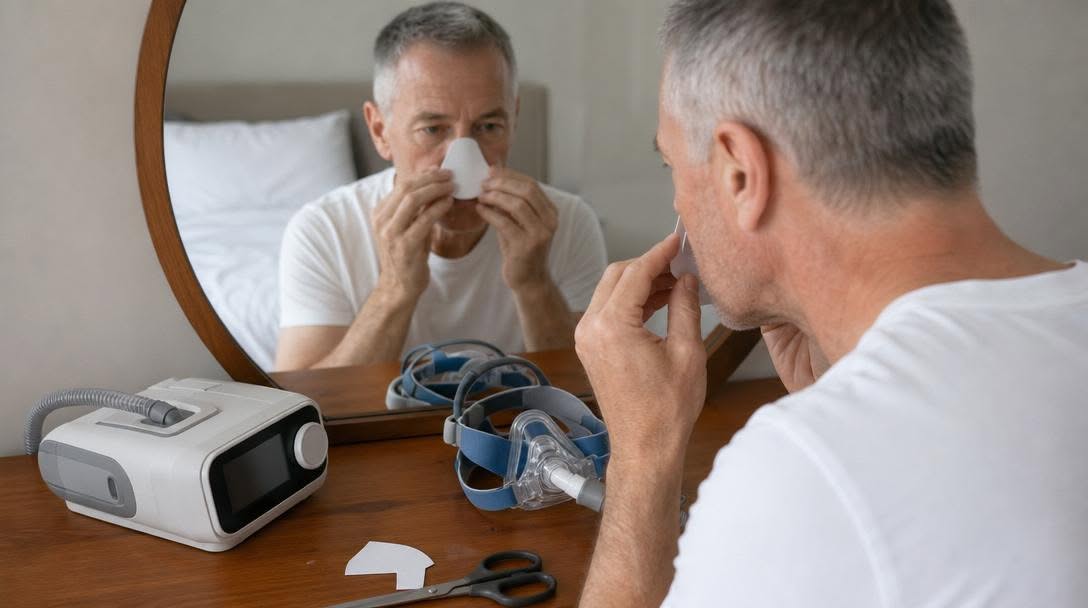
The paper template you printed from your supplier's website was designed for a warehouse, not a clinic. You trace your nose, cut it out, hold it up to your face, and pick a size. It sounds reasonable until you realize that template was measured while you were sitting still, breathing at room pressure, not while a machine is pushing air against your face at 8, 10, or 14 centimetres of water pressure.
That distinction matters more than most people expect.
A mask that sits flush at rest can lift at the bridge of your nose the moment therapy pressure kicks in. A cushion that feels snug in your hand can gap at your cheeks once the airflow starts. We see this constantly with patients who come to us from Saint John, many of them originally fitted by mail order, many of them sleeping with a small slow leak they assumed was just part of using a CPAP.
At East Coast Sleep Clinic – KV, we take facial measurements, but then we actually run the mask at your prescribed pressure and watch what happens. We check the seal, check the contact points, and catch the gaps before you drive home. If the medium is lifting at your left cheek, we try the small before you leave the building.
Once the size question is settled, here is exactly what a fitting appointment looks like from the moment you walk in. If a proper in-person fit sounds like what you've been missing, the appointment is straightforward and most patients leave with the right mask the same day.
What an In-Person CPAP Mask Fitting Looks Like at Our Rothesay Clinic
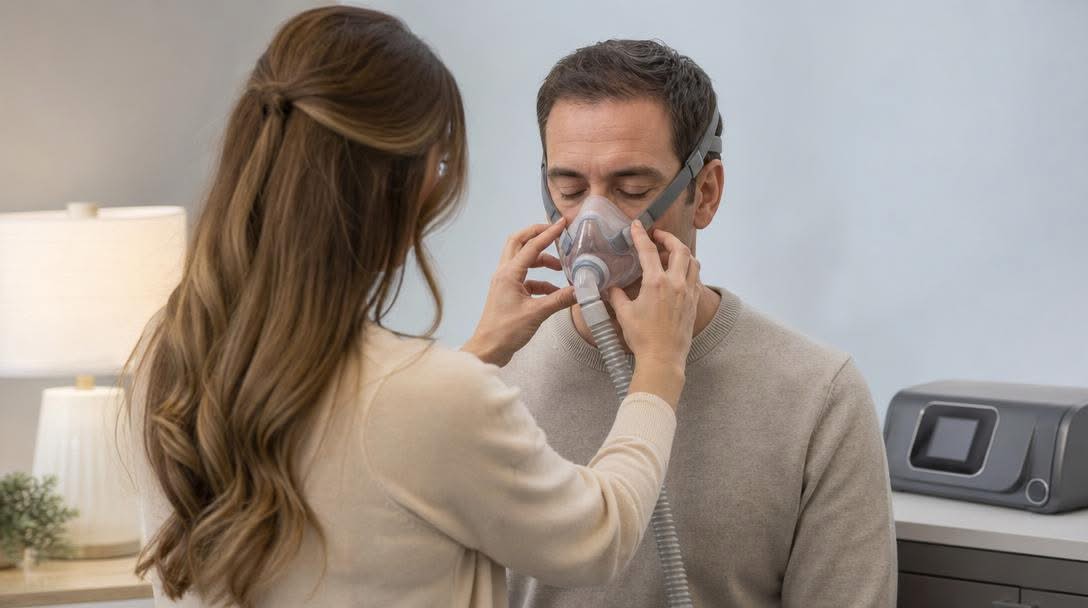
The whole appointment takes about 30 to 45 minutes. Most patients tell us it's the first time anyone has actually watched them put a mask on.
We start with a short conversation. How are you sleeping right now? Where is the air escaping? Are you waking up with red marks or a dry mouth? Those details tell us a lot before we even open a box. Then we pull up your prescription and confirm your prescribed pressure, because a mask that seals beautifully at 8 cm of water may behave completely differently at 14.
From there, we work through two or three mask styles together. Nasal pillow, nasal mask, full-face, whichever options make sense for how you breathe and sleep. You put each one on yourself, the same way you would at home, and we watch. We check the seal at your actual pressure setting, not just a comfortable room-air fit. Headgear tension gets adjusted. If the cushion size is borderline, we try the next size up right then.
By the time you leave, you have the mask that fits. Not the mask that seemed okay.
Our clinic sits just off Route 100 in Rothesay, a straight 15-minute drive from uptown Saint John through the Kennebecasis Valley. Easy to get to, and worth the trip. To get scheduled, call us at (506) 847-5100. We'll confirm your insurance coverage before you arrive so there are no surprises.
One thing we hear often after a fitting: "Can I switch from the mask I already own?" The answer is almost always yes.
Can I Switch CPAP Masks If Mine Isn't Working?
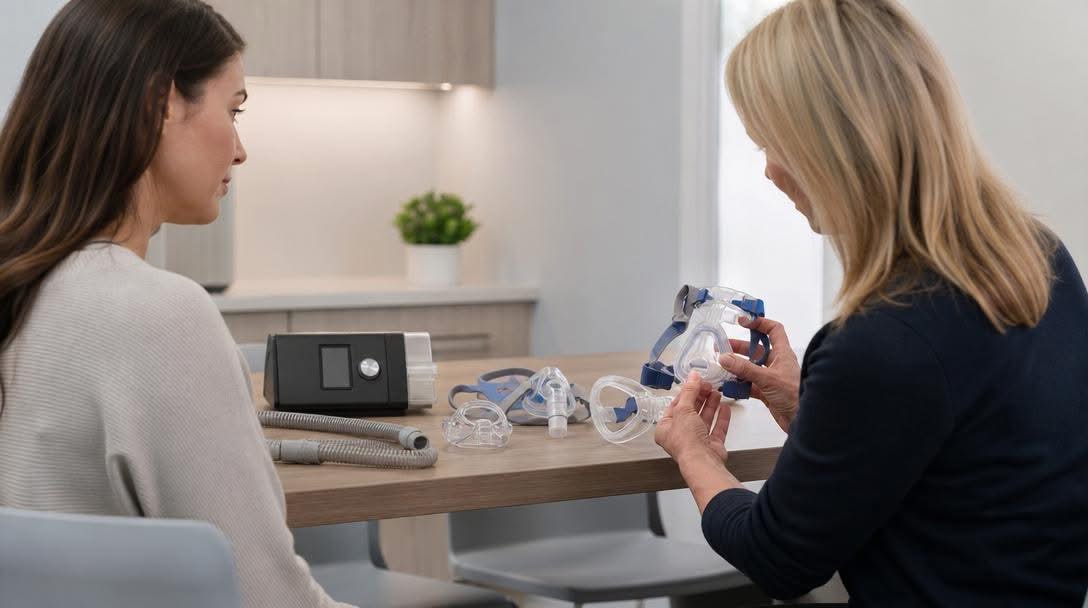
Short answer: yes. And you wouldn't be the first person to walk in wearing a mask they've been tolerating rather than one that actually works.
Switching is common, and in most cases it's covered. New Brunswick Medicare and the major private insurers, Blue Cross, Medavie, and Sun Life, generally allow cushion replacements every three months and full mask replacements every six to twelve months. If your current mask is past that window, or if a different style is clinically justified, there's a reasonable chance a replacement is covered. We handle the coverage check on our end so you're not making calls to an insurance line trying to decode benefit language.
What switching doesn't mean is starting over from scratch. Your pressure prescription stays the same. What changes is the interface, the part that sits on your face. Sometimes a patient who's been grinding through a full-face mask actually sleeps better in a nasal pillow, or the other way around. We bring out options, fit them at your prescribed pressure, and settle on something before you leave. If you need new cushions, tubing, or other items to go along with your new mask, we carry a full range of CPAP supplies and replacement parts so you can take care of everything in one visit.
Getting it right in the clinic matters. But what happens three months later matters just as much. If switching is something you've been putting off because you're not sure where to start, that's exactly the kind of conversation we have every day at East Coast Sleep Clinic – KV. It's simpler than it sounds. Come in and we'll sort it out together.
Regular Follow-Ups and Replacements — What Saint John's Climate Does to Your Mask
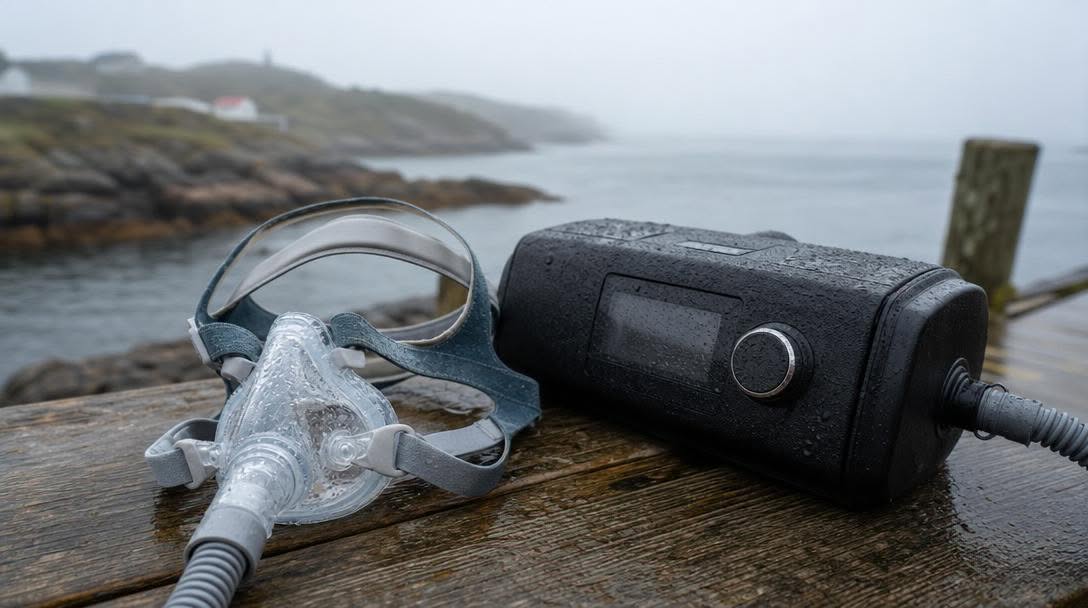
Saint John's coastal air is hard on CPAP equipment in ways most patients don't expect. The Bay of Fundy fog rolling through Red Head, Sand Cove, and Saint John West carries salt and moisture that breaks down silicone cushions faster than the manufacturer's replacement schedule assumes. Add humidity that hovers around 70% year-round, climbing toward 76% through November, and you've got conditions that shorten the life of headgear and cushion seals well before the standard wear indicators show up.
Winter brings its own problem. Cold mornings mean more condensation inside your CPAP tubing, and that rainout changes how your mask seats against your face overnight. A seal that felt fine in October can start leaking by January without anything obviously wearing out.
The general guidance holds: cushions every three months, full mask replacement every six to twelve months. New Brunswick Medicare and most private plans, Blue Cross, Medavie, Sun Life, align with that cadence. But in this climate, "every three months" is often the right call, not the conservative one. If you want the specifics, our guide on how often to replace CPAP mask, tubing, and filters breaks it down by component and insurance coverage period.
We see patients for regular follow-ups from Uptown, North End, East Saint John, McAllister, Millidgeville, Forest Hills, Lakewood, West Saint John, and Milford. Most are a 10 to 20-minute drive to our Rothesay clinic. When your cushion starts leaking or your headgear loosens, you don't need to file a ticket with a call center in another province. You drive up Route 100 and we sort it out in person.
That kind of follow-up is only possible when your sleep care is local. It's exactly what we offer at East Coast Sleep Clinic – KV. If you're ready to get fitted properly, or re-fitted after a frustrating experience with mail-order, we'd love to help.
Book Your CPAP Mask Fitting — 15 Minutes from Uptown Saint John
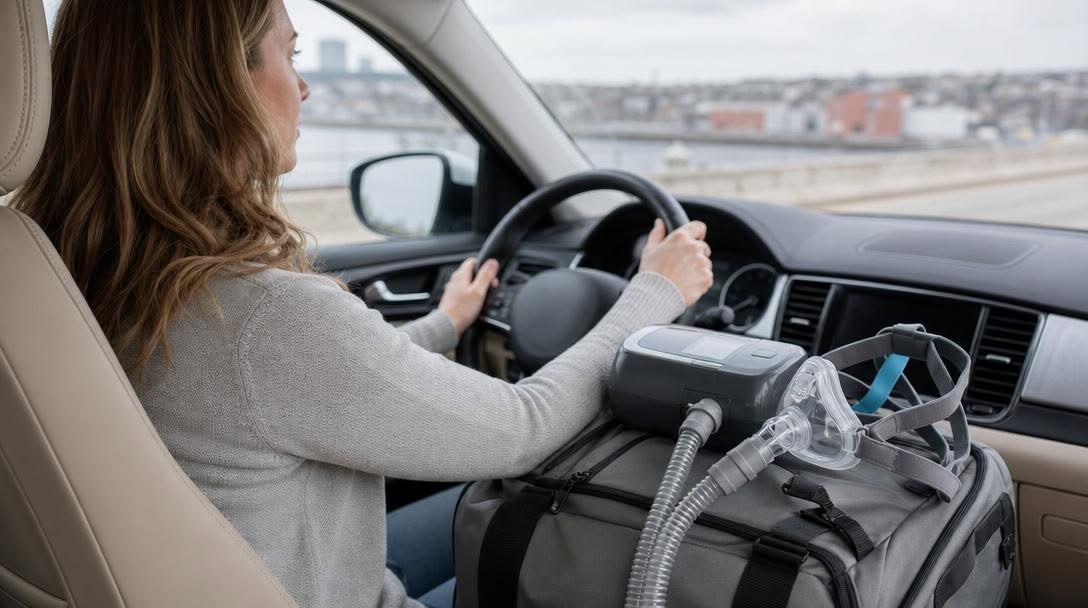
Most of our Saint John patients are surprised by how quick the drive actually is. From Uptown, Millidgeville, or the North End, you're looking at 10 to 15 minutes up Route 1 to Rothesay. Maybe a little longer if the Harbour Bridge is busy, but nothing that requires rearranging your day.
We see patients regularly from East Saint John, Forest Hills, West Saint John, Milford, and Sand Cove. If you can get yourself here, we'll take care of the rest.
To book, call East Coast Sleep Clinic – KV at (506) 847-5100 or fill out the contact form on our website. We'll get back to you quickly and confirm your coverage before your appointment. Blue Cross, Medavie, Sun Life, and New Brunswick Medicare all have specific replacement schedules for cushions and masks, and we'll sort out what you're eligible for before you arrive.
Most patients walk out of our Rothesay clinic with their mask question settled, but a few new ones in mind. Here's what Saint John patients ask us most often.
Frequently Asked Questions
How long does a CPAP mask fitting appointment take?
Most fittings at our Rothesay clinic run 30 to 45 minutes. That's enough time to try two or three mask styles, check the seal while your machine is running at your actual prescribed pressure, and dial in the headgear before you leave. We don't rush the process — a proper fit the first time saves a lot of follow-up headaches.
Do I need a prescription for a CPAP mask fitting?
You'll need an active CPAP prescription that includes your prescribed pressure settings. If you're not sure what you have or where to find it, call us before your appointment and we'll help you figure out what's needed. Patients coming from Saint John often have records with their referring physician or sleep specialist that we can work with.
Will my insurance cover a new CPAP mask?
Most New Brunswick private plans — including Blue Cross, Medavie, and Sun Life — cover mask replacement on a set schedule. We run a coverage check before you commit to anything so you know exactly what's covered and what, if anything, comes out of pocket. No surprises at the end of the appointment.
How often should I replace my CPAP mask cushion?
As a general rule, cushions every three months and full masks every six to twelve months. That said, Saint John's coastal humidity — averaging around 70% annually and climbing higher in the fall — accelerates silicone breakdown, so your cushion may need replacing sooner than the packaging suggests. If you're noticing leaks that weren't there a month ago, a worn cushion is often the first place to look.
Can I try more than one mask style before I decide?
Absolutely. We set out two or three options based on your sleep style, breathing pattern, and face shape, then have you try each one with your machine running at your prescribed pressure. The goal is to find what actually seals on your face under real therapy conditions — not just what feels comfortable sitting still in a chair.
More Saint John Sleep Services
- East Coast Sleep – Saint John
- Adaptive Servo-Ventilation (ASV) Therapy in Saint John, NB
- CPAP Therapy in Saint John, NB
- Home Sleep Testing in Saint John, NB
- Medical Equipment Supplier in Saint John, NB — Sleep & Respiratory Equipment
- Medical Supply Store in Saint John, NB — Sleep & Respiratory Supplies
- Nocturnal Oxygen Monitoring in Saint John, NB
- Sleep Clinic Service Areas in Saint John, New Brunswick
- Sleep Apnea Treatment in Saint John, NB
- Sleep Study in Saint John, NB