
What an Adult Sleep Assessment Actually Is
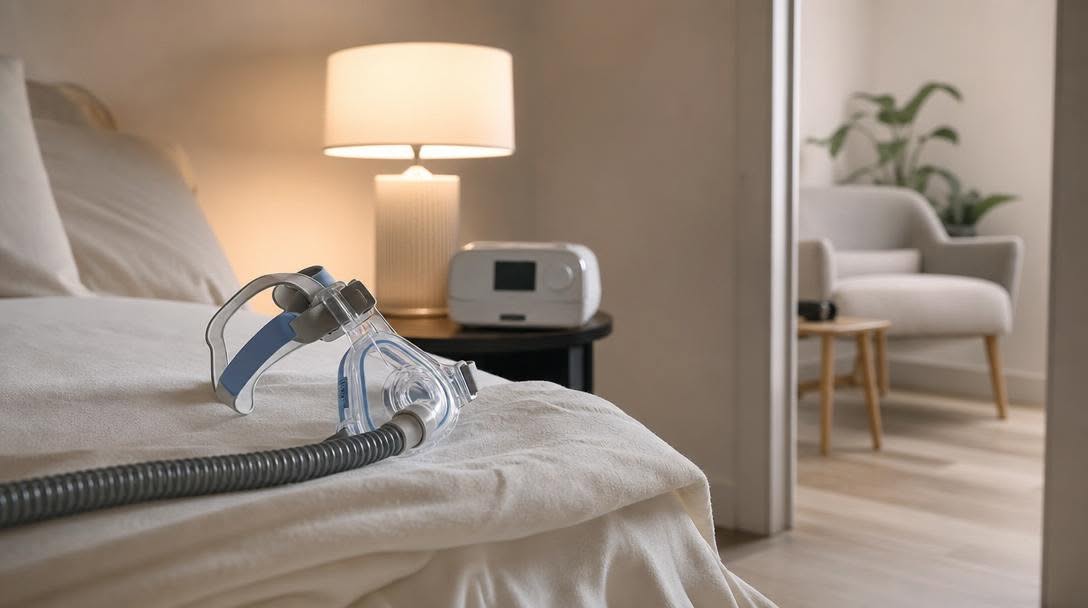
Most Sussex adults who book a sleep assessment come in expecting to spend a night wired up in a lab. They're not. That comes later, if it's needed at all.
Think of the assessment as the intake consultation. It's a focused appointment where a clinician reviews your sleep history, walks you through a couple of standardized questionnaires, and conducts a brief physical examination. No recording equipment. No overnight stay. Just a real conversation about what's been going on with your sleep and what your body is telling you.
The two questionnaires most people encounter at this stage are the Epworth Sleepiness Scale and the STOP-BANG. They sound clinical, but they're actually straightforward self-reported tools, the kind of thing you can answer honestly in under five minutes. Together with your history and physical exam, they give the clinician a clear picture of your risk level and whether further testing makes sense.
Here's the part that surprises most people: this step exists at all.
Plenty of Sussex-area adults either go straight to their GP hoping for a referral, or they sit on a wait list without ever having had this initial conversation. The assessment is the front door. Everything else, including any sleep study, comes after it.
If you've been putting this off because you weren't sure what the process looked like, now you know. Once you know what the appointment is, the next natural question is what it actually looks like when you're sitting in the room.
What Happens During Your Sussex Sleep Assessment
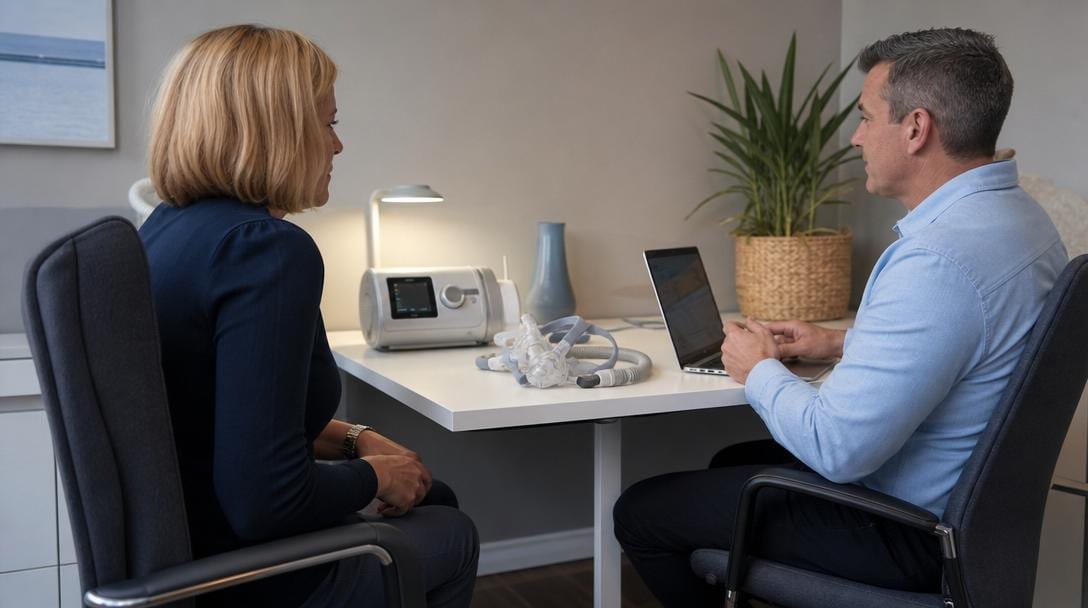
Plan for about 45 to 60 minutes. That's enough time to do this properly, not a rushed questionnaire and a handshake, but a real conversation about what's been going on with your sleep.
The appointment opens with a sleep history intake. Your clinician will ask about your symptoms, how long they've been happening, how your sleep has changed over time, and whether a bed partner has noticed anything, the gasping, the snoring, the restless nights. If your partner can come with you, bring them. Their observations often catch things you'd never know to mention.
From there, you'll go through a medication and medical history review. Certain conditions and medications interact directly with sleep-disordered breathing, so this context matters before any assessment tool is used.
Next come two standardized screening tools: the Epworth Sleepiness Scale and the STOP-BANG questionnaire. Both are straightforward to complete, short, structured, and designed to surface patterns that a general conversation might miss.
The appointment wraps with a focused physical exam. Neck circumference, jaw structure, airway anatomy, BMI, these physical markers give the clinician a clearer picture of your risk profile and help determine whether diagnostic testing is the right next step.
Before you come in, it helps to bring a current medication list and any prior sleep test results if you have them. If you've had a previous sleep study done somewhere like the Horizon Health Sleep Centre in Moncton, bring that documentation. It keeps things from starting from scratch.
Ready to get this on the calendar? Call East Coast Sleep Clinic – Sussex at (506) 434-7667 and we'll find a time that works for you. Two of those tools, the Epworth and STOP-BANG, get mentioned by name in almost every conversation about sleep apnea screening, but most people have never had anyone actually explain what they measure or why they're used. That's worth doing properly.
The Epworth Sleepiness Scale and STOP-BANG: What They Measure
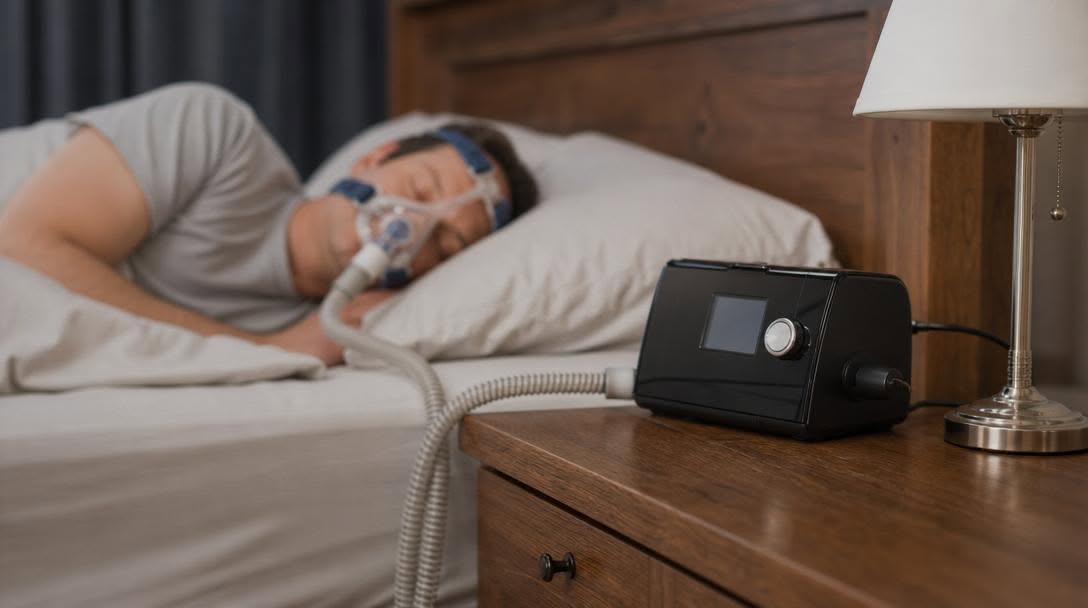
The Epworth has been around since 1991. It's still the gold standard for measuring daytime sleepiness because it asks about real situations, not abstract ones. You rate eight everyday scenarios on a scale of 0 to 3: things like sitting quietly after lunch, riding as a passenger on a short trip, or watching television. The total score tells the clinician how much your sleep problems are spilling into your waking hours. It's a subjective measure, which means it captures how you actually feel, and that matters.
STOP-BANG works differently. It's eight yes/no questions, and the name is an acronym: Snoring, Tiredness, Observed apneas, blood Pressure, BMI, Age, Neck circumference, Gender. Each yes answer adds one point. A score of three or higher puts you in moderate-to-high risk territory for obstructive sleep apnea.
Neither tool is a diagnosis on its own.
They're validated screening instruments, built to identify who needs a closer look, not to replace the testing that confirms what's actually happening during sleep. Used together, they cover two different angles: one measures how you feel, the other measures your physiological risk profile. For someone in Kings County who hasn't seen a physician in a while, having both of those pictures side by side gives the clinician something solid to work from before any testing begins.
What Comes After the Assessment

The intake visit doesn't end with a diagnosis. It ends with a direction.
Once the Epworth scores, STOP-BANG responses, physical exam findings, and sleep history are reviewed together, East Coast Sleep Clinic – Sussex will have a clearer picture of what kind of follow-up makes sense for you. There are three common paths from here, and which one you take depends entirely on what the assessment turns up.
For most adults with straightforward suspected obstructive sleep apnea, the snoring, the gasping, the morning headaches that won't quit, home sleep testing in Sussex is the logical next step. Done in your own bed. Typically scheduled within days of your assessment, not weeks.
For more complex cases, where other conditions might be in play or the clinical picture is less clear, an in-lab sleep study with overnight polysomnography gives the clinician a fuller read. This is a supervised study with more detailed monitoring than a home device can provide.
And not every referral leads to a sleep study at all. If the assessment points toward jaw alignment, teeth grinding, or a sleep concern that isn't apnea-related, East Coast Sleep Clinic – Sussex can connect you with dental sleep medicine or behavioral sleep therapy, whichever fits your situation.
For someone in Kings County who has spent years putting this off because Moncton felt too far, knowing there's a clear, local path forward from day one matters. The first step is just booking that initial conversation.
One question that comes up before anyone books, though: do you need a referral to walk in the door in the first place?
Do You Need a Referral? Self-Referral vs. GP Referral in Sussex

Short answer: no.
East Coast Sleep Clinic – Sussex accepts self-referrals. You can book an adult sleep assessment without a physician's note, without a nurse practitioner's sign-off, and without waiting for anyone to put your name on a list.
That matters more in rural Kings County than it would in a city. A large portion of adults in the Sussex area don't currently have a family doctor accepting new patients, and the hospital-based sleep centres in Moncton and Saint John require a physician or nurse practitioner referral before they'll see you at all. For someone without a regular GP, that requirement isn't a minor inconvenience. It's a wall.
At East Coast Sleep Clinic – Sussex, you call (506) 434-7667, you book, you come in.
If you do have a family doctor and they've already flagged sleep concerns, bring that referral along. It's helpful for continuity, your GP gets to stay in the loop on your care, and any clinical notes they've already made can inform the assessment. Referrals are welcome. They're just not required.
The next thing most people want to know before they commit to booking is what this costs, and whether any part of it is covered.
Cost and Coverage for Adult Sleep Assessments
Pricing for an adult sleep assessment depends on a few factors, and it's worth understanding them before you book.
Whether you arrive with a physician referral or self-refer affects your fee. Extended health plans, Blue Cross, Green Shield, and most employer benefit packages common among Nutrien and agricultural workers in Kings County, often cover a portion of assessment costs. The specifics vary by plan, so call East Coast Sleep Clinic – Sussex before your appointment with your insurance details in hand. The front desk can check your coverage and tell you exactly where you stand before you walk through the door.
Follow-up testing, if recommended, may be bundled with your initial assessment or billed separately depending on what the findings point to.
Here's the number that matters most, though: untreated sleep apnea carries real costs. Elevated cardiovascular risk, impaired driving, reduced productivity, and a higher rate of workplace incidents are well-documented outcomes. Measured against those, an assessment fee looks different.
For most Sussex-area adults, the practical question isn't really about cost. It's about whether making this appointment is worth their time.
Why Sussex Adults Choose Local Instead of Driving to Moncton or Saint John

Sussex sits almost exactly halfway between Saint John and Moncton on the Route 1 and Route 2 corridor. The Horizon Health Sleep Centre in Moncton and the sleep services in Saint John are both a 45 to 60 minute drive each way, on a good day, in good weather. In January, on a stretch of Route 1 that sees its share of freezing rain and blowing snow, that round trip is a real commitment.
For most people, it's not one trip. It's several.
The referral appointment, the intake, the sleep study, the follow-up, those add up fast, especially if you're working a rotating shift at Nutrien Potash near Penobsquis, managing a dairy operation, or coming off a night at Sussex Health Centre. Irregular schedules don't leave a lot of room for a half-day drive to Moncton.
The older working-age population across Sussex and Sussex Corner, average age 45.5 and 46.4 respectively, is exactly the group where undiagnosed sleep apnea tends to show up and go unaddressed the longest. Not because people don't notice something is off. Because getting assessed feels like a project. A local option at East Coast Sleep Clinic – Sussex removes that friction entirely. Clients from Sussex, Sussex Corner, Penobsquis, Apohaqui, Norton, Hampton, and the broader Kings County area can get assessed without burning a day off or rearranging a shift.
If you're ready to stop reading about it and actually book, here's what that looks like.
Booking Your Sleep Assessment at East Coast Sleep Clinic – Sussex

No referral needed. Call us directly at (506) 434-7667 and we'll get you on the schedule.
When you come in, bring a list of your current medications, any previous sleep test results if you have them, and your bed partner if they're available, their observations about your breathing or movement at night are genuinely useful during intake.
Arrive a few minutes early if it's your first visit. The front desk will get the paperwork sorted, and from there the process moves at a comfortable pace. Nothing about the appointment is rushed.
For clients who live further out in Kings County, Apohaqui, Norton, Hampton, or who have mobility or weather concerns, ask about telehealth options for follow-up conversations once your initial in-person assessment is complete. You can also book through our online contact form if calling isn't convenient right now. We'll follow up to confirm your appointment time.
Kings County doesn't need to send its sleep concerns to Moncton. Call East Coast Sleep Clinic – Sussex, book your assessment, and let's figure out what's going on with your sleep.
Frequently Asked Questions
What happens at a sleep assessment?
Your appointment runs about 45 to 60 minutes and covers three things: a sleep history intake, two short standardized questionnaires (the Epworth Sleepiness Scale and STOP-BANG), and a focused physical exam. It's a real conversation about your sleep, not an overnight recording. Think of it as the front door — everything else, including any sleep study, comes after this visit if it's needed at all.
Do I need a doctor's referral for a sleep assessment in Sussex?
No. East Coast Sleep Clinic – Sussex accepts self-referrals, so you can book directly without waiting on your GP. A referral from your family doctor is always welcome and helps with record-keeping, but it's not required to get your appointment on the calendar.
Is a sleep assessment the same as a sleep study?
They're two separate things. The sleep assessment is the intake consultation — a clinician reviews your history, administers screening questionnaires, and completes a physical exam. A sleep study is the overnight diagnostic recording that may be recommended afterward, depending on what the assessment turns up. One leads to the other; they don't happen at the same time.
How long is the appointment and what should I bring?
Plan for 45 to 60 minutes. Bring a current list of your medications and any prior sleep test results you have — if you've had a study done at a centre like the Horizon Health Sleep Centre in Moncton, that documentation saves everyone from starting from scratch. If your bed partner has observed your sleep (snoring, gasping, restlessness), bring them along if possible — their observations are often the most useful thing in the room.
Will my insurance cover the sleep assessment?
Coverage depends on your specific plan. Blue Cross, extended health benefits, and many private insurance plans do cover sleep assessments, but the details vary. Call East Coast Sleep Clinic – Sussex ahead of your visit with your insurance information and our front desk will check your coverage before you come in.