Local Sleep Monitoring for Cardiac Clients Without the Drive to Saint John or Moncton
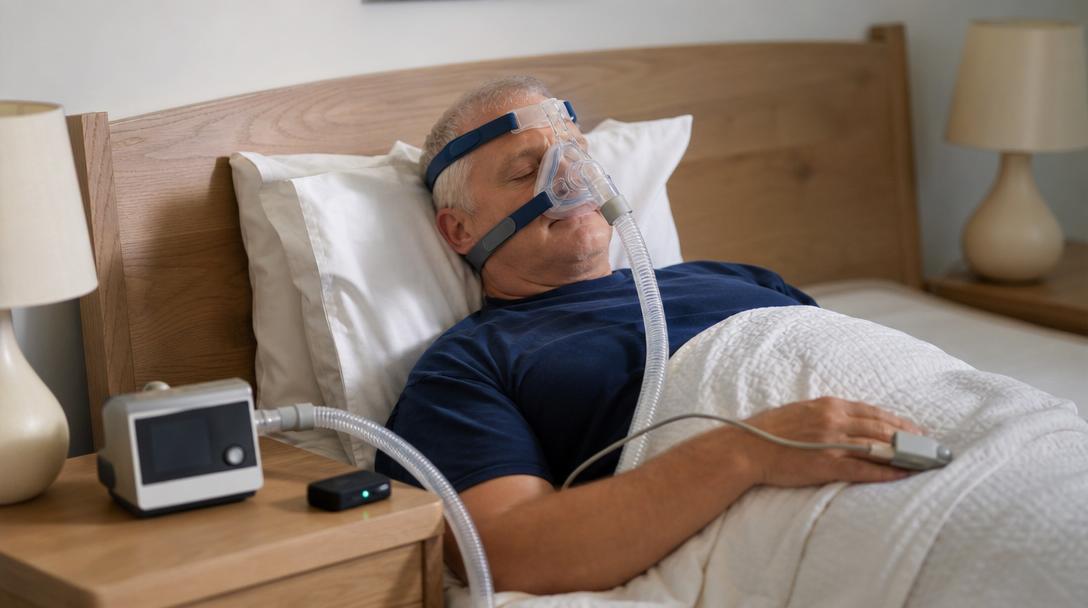
A heart diagnosis comes with enough appointments already. For most Sussex-area clients, adding a sleep study used to mean another hour on Route 1 to Saint John or Moncton.
Sussex Health Centre on Leonard Drive provides cardiology consults, but it doesn't offer overnight sleep diagnostics. So when a cardiologist flags a concern about sleep apnea, and they do this more and more for good reasons, the client would typically face a second trip to Saint John or Moncton just for the sleep study.
East Coast Sleep Clinic – Sussex closes that gap. Referrals come in from cardiologists at Saint John Regional and The Moncton Hospital, as well as from family doctors right here in Sussex. The diagnostic work happens locally, and the sleep study report goes straight back to the referring physician. No second out-of-town trip required.
For older adults managing heart conditions alongside a rural lifestyle, that matters. Winter driving on Route 1 alone is enough to delay care that shouldn't be delayed. If your cardiologist or family doctor has already flagged sleep apnea as a concern, call East Coast Sleep Clinic – Sussex at (506) 434-7667. We can have you booked and on your way to answers without any of the extra travel.
Understanding why cardiologists are sending these referrals in the first place starts with the relationship between sleep apnea and the heart itself.
Does Sleep Apnea Cause Heart Problems?
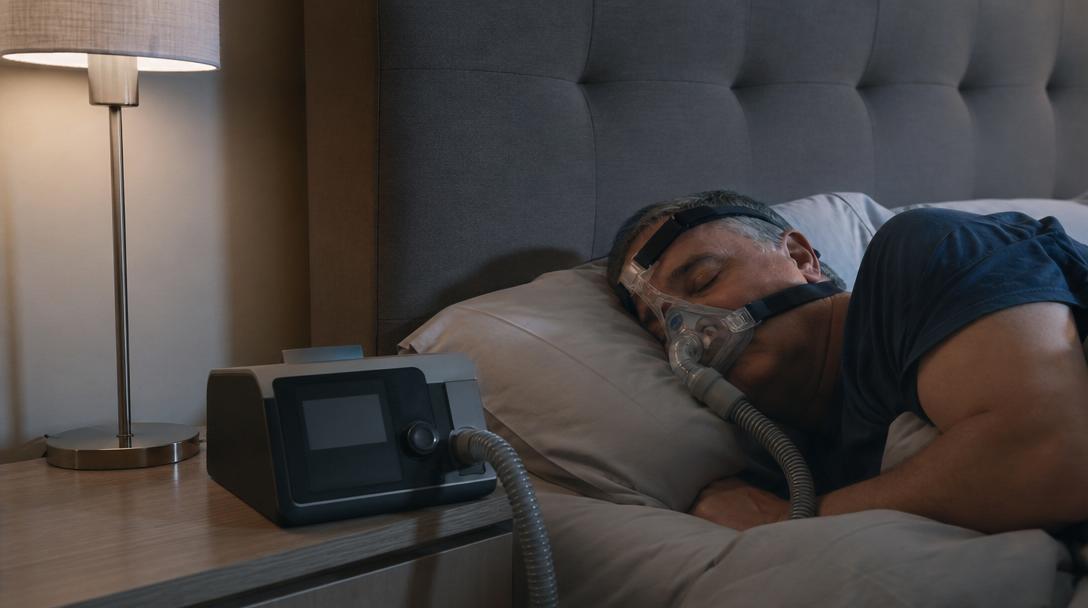
Yes, and the connection is well-established. When someone stops breathing repeatedly through the night, their blood oxygen drops, blood pressure spikes, and their sympathetic nervous system fires a stress response every few minutes. Over months and years, that kind of nightly strain causes real, measurable damage to the cardiovascular system.
The four cardiac conditions most strongly linked to untreated obstructive sleep apnea are atrial fibrillation, congestive heart failure, resistant hypertension, and coronary artery disease. For someone who has had an AFib ablation, untreated sleep apnea raises the risk of the arrhythmia returning. The oxygen drops and pressure surges during apnea events irritate the same atrial tissue the ablation worked to quiet.
For someone managing heart failure, that same overnight stress drags down ejection fraction over time, making it harder for the heart to pump the way it should.
Resistant hypertension is worth looking at on its own. Blood pressure that doesn't respond well to medication is one of the most common presentations of undiagnosed sleep apnea. Many cardiac clients across Kings County are managing hypertension alongside a diagnosis of AFib or coronary disease without realizing the two are connected.
Recovery after a heart attack is also affected. Untreated OSA in the months following a cardiac event is linked to higher rates of complications and hospital readmission.
None of this is meant to add to the worry that already comes with a cardiac diagnosis. It's meant to explain why cardiologists are screening for sleep apnea more consistently now, and why knowing your sleep health status is part of getting the most from your cardiac care. If you're already managing one of these conditions and haven't been screened for sleep apnea, it's a conversation worth having with your doctor, or with us.
Which specific diagnoses put someone in the group that should be tested? That's where we need to go next.
Which Heart Clients Should Get a Sleep Study?
Your cardiologist didn't order this as a formality. There are specific cardiac diagnoses where undetected obstructive sleep apnea directly changes the treatment plan, and where missing it carries real consequences.
Atrial fibrillation sits at the top of the list. Whether AFib was diagnosed recently or keeps coming back despite treatment, sleep apnea is a known driver of abnormal heart rhythm. For clients heading into an ablation procedure, a pre-procedure sleep study has been shown to meaningfully improve the odds of the ablation holding. Post-ablation, untreated OSA is one of the most common reasons AFib returns.
Congestive heart failure with reduced ejection fraction is another clear indication. The repeated oxygen drops that happen during apnea events put additional strain on a heart that is already struggling to pump efficiently. Treating the OSA reduces that nightly burden.
Resistant hypertension, blood pressure that stays poorly controlled on three or more medications, should prompt a sleep study almost routinely. Apnea is one of the few reversible causes of treatment-resistant high blood pressure.
Post-heart attack clients who are reporting daytime fatigue, or whose bed partner has noticed loud snoring, gasping, or pauses in breathing, should also be assessed. The same goes for anyone being worked up for cardiac surgery, where pre-operative OSA screening helps reduce the risk of post-op complications, including new-onset AFib in the recovery period.
Worth noting: cardiac clients don't always present with the classic tired-and-snoring picture. Symptoms can be subtle. A bed partner's observations are often the clearest signal.
If any of these apply to you or someone you're referring, the next question is usually a practical one. What does the actual testing process look like?
What Happens During a Cardiology-Referred Sleep Study in Sussex

The process is more straightforward than most people expect.
Once East Coast Sleep Clinic – Sussex receives the referral from your cardiologist or family doctor, our team contacts you to book a brief intake appointment. Or you can call us directly at (506) 434-7667 to get on the schedule right away. We review your cardiac history, confirm what your referring physician needs from the study, and set you up for testing. For most cardiac clients, that means a home sleep apnea test in Sussex, a small, comfortable device you pick up right here in Sussex, wear overnight in your own bed, and return the next day.
No driving to a sleep lab in the city. No unfamiliar bed. No pre-dawn trip on Route 1 in January.
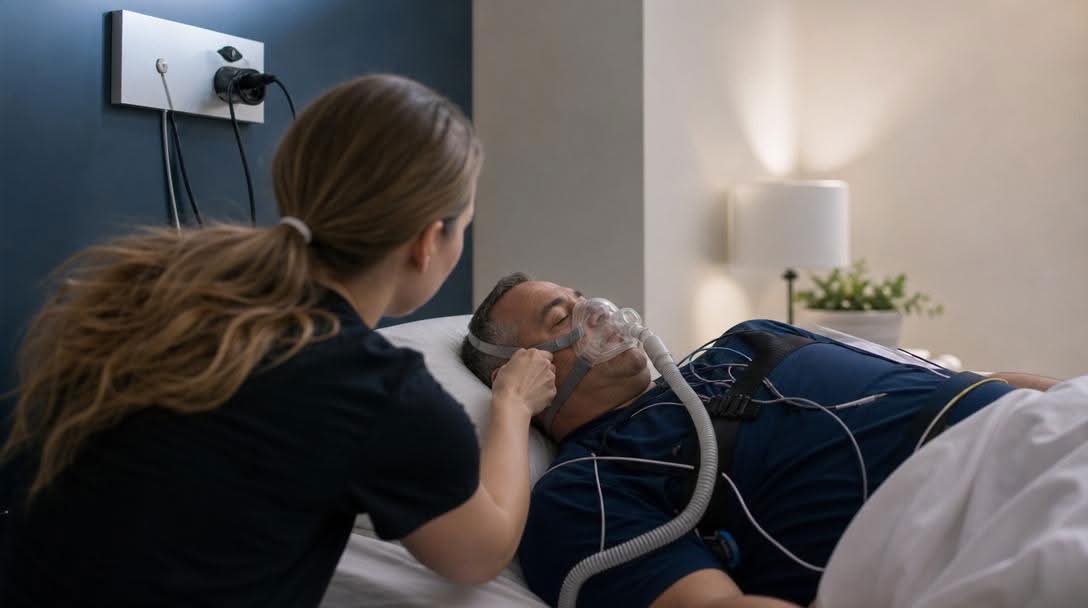
Some cardiac clients, particularly those with advanced heart failure where central sleep apnea is a possibility, require in-lab polysomnography instead. This gives us a more detailed picture when the clinical situation is complex and when treatments like adaptive servo-ventilation (ASV) may be on the table. Your intake assessment will clarify which path fits your situation.
From referral to results, the timeline typically runs two to three weeks. The completed report goes directly to your referring cardiologist and to your family doctor, so the people managing your cardiac care have the full diagnostic picture. No extra steps on your end.
It's a contained, local process. For a lot of Sussex-area clients, the relief of not adding another long-distance appointment to an already full schedule is real.
What happens after that report lands with your cardiologist is where things get meaningful. Treating obstructive sleep apnea doesn't just improve sleep. It can change the trajectory of the cardiac condition itself.
How Treating Sleep Apnea Changes Outcomes for Cardiac Clients
The evidence here is not subtle. Across the major cardiac diagnoses, treating obstructive sleep apnea produces measurable, meaningful change, and for some clients, it shifts the whole arc of their condition.
For those living with atrial fibrillation, the numbers around ablation are particularly compelling. Clients who have their OSA treated before and after ablation show higher success rates and lower AFib recurrence than those who go untreated. Sleep apnea is not a background factor in AFib. It is an active driver of the arrhythmia, and controlling it gives the procedure a real chance to hold.
For heart failure clients, CPAP therapy has been associated with improvements in ejection fraction and quality of life. Where the cardiac picture is more complex, central sleep apnea or a mix of central and obstructive events, which can appear in CHF, adaptive servo-ventilation (ASV) therapy may be the better fit. That determination comes out of the diagnostic report.
Resistant hypertension responds to OSA treatment as well. Blood pressure that hasn't moved despite multiple medications will sometimes shift once the overnight oxygen drops and the repeated arousals are corrected.
For clients heading into cardiac surgery, identifying and treating OSA in advance reduces the risk of post-operative AFib and can shorten recovery.
Treatment usually means CPAP. For many Sussex-area cardiac clients, that's a manageable first step, and East Coast Sleep Clinic – Sussex handles the fitting, titration, and follow-up locally. No separate trip to Saint John or Moncton to get started on therapy.
Getting to that point starts with a referral, and that part is straightforward. If you're ready to move forward, ask your cardiologist or family doctor to send a referral our way, or reach out to East Coast Sleep Clinic – Sussex directly. The sooner the diagnostic picture is complete, the sooner your cardiac team can act on it.
How to Refer a Heart Client to East Coast Sleep Clinic – Sussex
Cardiologists at Saint John Regional Hospital and The Moncton Hospital can send a standard written referral. Family doctors across the Kings County catchment can do the same. There is no special cardiology-specific form. A brief clinical note outlining the cardiac diagnosis and the reason for the sleep study is enough to get things moving.
Clients can also reach out directly. If you have a known cardiac diagnosis and you suspect you have been stopping breathing during sleep, you do not need to wait for your cardiologist to act first. Call East Coast Sleep Clinic – Sussex at (506) 434-7667, explain your situation, and our intake team will walk you through the next steps. If you'd rather send a message first, the contact form on our website works just as well. We follow up within one business day.
Wait times here run shorter than the tertiary sleep labs in Saint John and Moncton. For a cardiac client who has already spent time on the road for echocardiograms, Holter monitoring, and specialist follow-up, getting the sleep study done locally matters.
For people in Sussex and the surrounding Kings County area, keeping that process local is the part that makes following through realistic. If you have questions before you call, the FAQ below covers what we hear most often.
Frequently Asked Questions
Does sleep apnea cause heart problems?
Yes — the link is well-established. When breathing stops repeatedly overnight, blood oxygen drops and blood pressure spikes with every event, flooding the body with stress hormones. Over time, that nightly strain is directly tied to atrial fibrillation, congestive heart failure, resistant hypertension, and coronary artery disease. Treating obstructive sleep apnea measurably reduces the cardiovascular burden.
Should heart patients get a sleep study?
For anyone managing AFib, congestive heart failure, resistant hypertension, or recovering from a heart attack or cardiac surgery, a sleep study is strongly recommended. Untreated obstructive sleep apnea worsens outcomes across all of these conditions — and treating it produces real, measurable improvements in how well cardiac care works. Many cardiologists now screen for OSA routinely.
Can I get a sleep study in Sussex, or do I have to go to Saint John or Moncton?
You can get the full diagnostic right here in Sussex. East Coast Sleep Clinic – Sussex handles both home sleep apnea testing and in-lab studies locally, accepts referrals from cardiologists at Saint John Regional and The Moncton Hospital, and sends the completed report directly back to your referring physician. No extra out-of-town trip required.
How long does it take to get a sleep study after a cardiology referral?
Most clients are booked and have results back within two to three weeks of the referral arriving at East Coast Sleep Clinic – Sussex. That's typically faster than wait times at tertiary sleep labs in Saint John or Moncton — and without the drive.
Will my cardiologist receive the sleep study report?
Yes. The completed sleep study report goes directly to the referring cardiologist and to your family doctor. East Coast Sleep Clinic – Sussex coordinates the reporting so your cardiac care team has the information they need without you having to chase it down.
More Sussex Sleep Services
- East Coast Sleep – Sussex
- Adult Sleep Assessment in Sussex, NB
- Fatigue Evaluation in Sussex, NB
- Home Sleep Testing in Sussex, NB
- Medical Equipment Supplier in Sussex, NB
- Nocturnal Oxygen Monitoring in Sussex, NB
- Portable & Travel Sleep Study Services in Sussex, NB
- Sleep Study in Sussex, NB (In-Lab Polysomnography)
- Sleep Tracking & Monitoring in Sussex, NB